Employee Listening
Trauma-informed focus groups for safe, ethical listening.
Whether you're planning employee listening sessions on equity, inclusion, or other sensitive workplace issues, reviewing organisational culture, or conducting consultations related to psychosocial risk or WGEA obligations, this program equips facilitators to conduct focus groups safely, ethically, and effectively.
Book a ConsultationCulture Plus method
Behaviour-first. Evidence-based. Built to last.
Psychological safety and ethical facilitation
Address the risks of employee listening processes — strengthening data integrity and organisational trust.
Employee focus groups are powerful tools for understanding workplace culture and employee experience. When well-designed and facilitated using trauma-informed principles, they reveal insights beyond surveys, uncovering systemic barriers and lived experiences that affect inclusion, wellbeing, risk, and engagement.
Traditional focus groups designed for market research, however, may unintentionally cause distress or fail to generate meaningful insights when addressing sensitive topics such as workplace harm, trauma, or power dynamics. Here are some honest questions from practitioners facing this challenge:
"How do we create a safe environment for people to speak candidly?"
"How do we run focus groups on sensitive topics without causing distress?"
"Our facilitators aren't psychologists — how do they manage distress and protect themselves from secondary trauma?"
Programme snapshot
What you need to know at a glance.
Without trauma-informed design, listening can cause harm. Discussing or reliving workplace harms can trigger re-traumatisation. Power imbalances and fear of speaking up lead to guarded responses rather than honest insights. And under Australian WHS laws, poorly designed focus groups are themselves psychosocial hazards — making facilitator training not just good practice, but a compliance imperative.
HR and People & Culture professionals, WHS and psychosocial risk specialists, DEI practitioners, organisational development teams, and internal and external researchers coordinating, sponsoring, or facilitating employee focus groups or listening circles.
Endorsed capability partner
Trusted by Australia's peak HR body.
Culture Plus Consulting is proud to design and deliver flagship DEI programmes for the Australian Human Resources Institute (AHRI) — Australia's peak HR professional body — supporting HR leaders and practitioners to build capability for inclusive leadership and organisational change.
Connect with us to explore how evidence-based DEI training can help your organisation build capability, strengthen culture, and deliver meaningful, measurable change.
What this training covers
What this Trauma-Informed Focus Groups Training covers.
You know psychological safety is important. This training shows what to do at each step — from design and recruitment through facilitation, distress management, data handling, and follow-up action. Facilitators gain practical tools to prevent harm and generate genuine, credible insights from sensitive workplace listening.
What changes after this training
Real shifts that matter.
Gain confidence in designing and leading trauma-informed focus groups, with practical tools to manage distress, power dynamics, and sensitive disclosures. Move from uncertainty to confidently preventing harm, while reducing burnout risk through effective facilitator self-care. Facilitators leave better equipped to lead listening processes that protect participant and facilitator wellbeing.
Our methodology
The Practical Capability Model
Every Culture Plus programme is built on the same evidence-based methodology. Hover any step for detail:
Your facilitator

CEO, Author and Principal Consultant
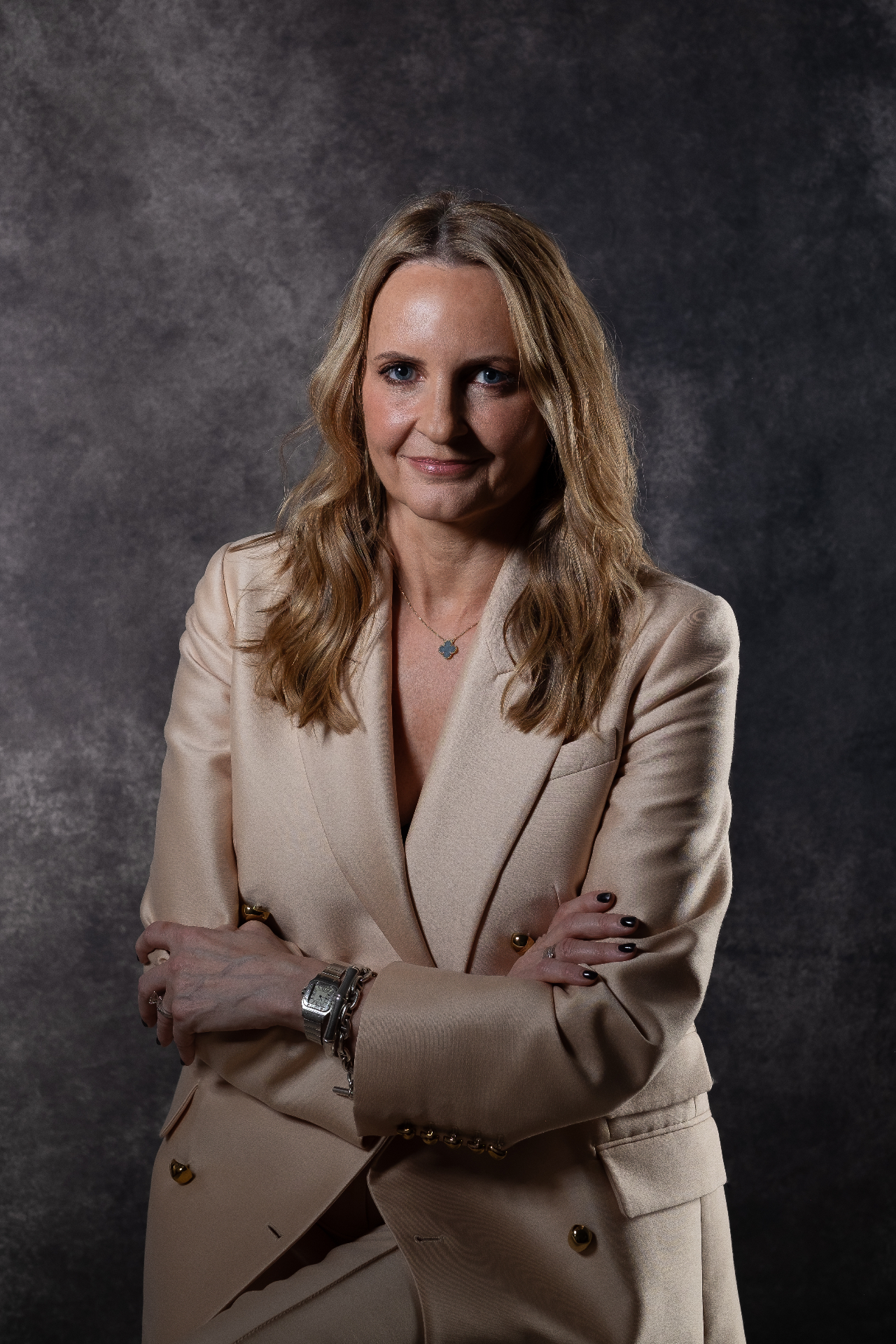
Felicity Menzies
Every Culture Plus engagement is delivered with behavioural rigour and practical relevance by Felicity Menzies — organisational psychologist, author, and specialist facilitator.
- Role
- Founder, Culture Plus Consulting
- Qualification
- Bachelor of Commerce; Bachelor of Arts (Psych) — University Medallist; Fellow, Chartered Accountants Australia and New Zealand
- Experience
- 15+ years advising leading global and Australian private and government organisations; former senior executive in financial services and consulting
- Discipline
- Organisational psychology, behavioural science & trauma-informed practice
- Published
- A World of Difference (2016); contributor to leading business and HR publications globally
- Recognition
- LinkedIn Top Voice; commendation in NSW Parliament
From the book
Culture is the sum of behaviours leaders permit, model, and reward.A World of Difference — Felicity Menzies →
Free guide
Need to deliver trauma-informed focus groups training that drives real behaviour change?
This guide outlines the essential conditions for effective training that builds lasting capability — moving beyond awareness to practical skills that create safer, more inclusive workplaces.
Download the guideFrequently asked questions
Questions about trauma-informed focus groups training, answered.
If you have a question we haven't covered, write to us — a real human responds within one working day.
A trauma-informed focus group is a structured group conversation designed to gather genuine employee insight on sensitive topics while minimising the risk of re-traumatisation, psychological harm, or distorted data. It is not therapy. It embeds safety, choice, and empowerment into every stage of the listening process, supporting trauma-informed care principles.
Selected work
While you're here
Related services
Culture Reviews
Independent, evidence-based reviews of workplace culture, conduct and risk.
Learn more →Trauma-Informed Investigations
Rigorous, procedurally fair investigations that minimise harm to all parties.
Learn more →Psychosocial Safety Advisory
Identify, assess and control psychosocial hazards in line with WHS regulator expectations.
Learn more →Develop the skills to listen safely
This isn't about ticking a box.
It's about building real skills to listen safely, gather honest insights, and take informed action — while protecting participant and facilitator wellbeing and producing data your organisation can trust.
Request a Strategic Consultation