Diversity & Inclusion Training
Unconscious bias in hiring & inclusive recruitment.
For DEI leads, HR and People & Culture professionals, Talent Acquisition specialists, Learning & Development leaders, Hiring Managers, and interview panels committed to fairer, more consistent, inclusive, and defensible hiring practices.
Book an exploratory callCulture Plus method
Behaviour-first. Evidence-based. Built to last.
Specialist training
Embedding bias interruption throughout your recruitment and selection journey from job descriptions to final offers.
Unconscious bias refers to automatic assumptions we hold unknowingly, shaping decision-making without conscious awareness, even when we intend to be fair and inclusive. Bias influences selection decisions, favouring those similar to current team members or fitting familiar ideas and traditional role stereotypes. This limits diversity, stifles creativity, innovation, and performance. Diverse teams bring fresh perspectives and improved problem-solving.
Many organisations have recruitment policies, diverse panels, and structured interview practices. Yet bias still shapes shortlists, questioning, "fit" perceptions, assessment, and selection decisions. The issue isn't policies. It's what happens between policy and outcome. Here are some honest reflections from hiring leaders who have faced this challenge:
"We see bias signs in candidate shortlists and hiring outcomes but don't know how to fix it."
"Our managers rely on gut instinct. How do we shift them to evidence-based decisions?"
"We want practical ways to spot and stop bias without slowing down hiring."
Inclusive recruitment is not the opposite of merit. It is what makes merit-based selection work.
Program snapshot
What you need to know at a glance.
Hiring managers, HR professionals, talent acquisition teams, interview panel members, and anyone informing recruitment practices and making selection decisions.
Endorsed capability partner
Trusted by Australia's peak HR body.

Culture Plus Consulting is proud to design and deliver flagship DEI programs for the Australian Human Resources Institute (AHRI) (Australia's peak HR professional body), supporting HR leaders and practitioners to build capability for inclusive leadership and organisational change.
Connect with us to explore how evidence-based DEI training can help your organisation build capability, strengthen culture, and deliver meaningful, measurable change.
The gap in most training
Why most inclusive recruitment training fails and how this one is different.
Most organisations have recruitment policies. Many have run unconscious bias training. Yet bias still shapes shortlists, questioning, "fit" perceptions and selection decisions. Every program we design addresses the four reasons training usually falls short.
01
Awareness is not capability
Knowing that bias exists does not change how you shortlist, interview or decide. We move past awareness to the practical controls that interrupt bias: structured criteria, consistent questions, independent scoring and documented decisions.
02
Disconnected from context
Generic training doesn't change behaviour because it doesn't feel relevant or recognisable. Every element is co-designed to reflect your recruitment policy, language, culture and risk profile.
03
A one-off event is not enough
Entrenched habits need reinforcement. Managers leave with tools they can use in their next recruitment process, and the program is designed with transfer of learning as the goal.
04
Sparks resistance
Inclusive recruitment training can generate defensiveness when it feels like ideological imposition. We frame it as a governance and professional standards discipline, creating space for honest reflection without blame.
What this training covers
What this unconscious bias in hiring & inclusive recruitment training covers.
This course addresses unconscious bias across the entire spectrum of the hiring process, providing practical strategies to identify and interrupt bias at every stage. General unconscious bias training often doesn't go deep enough to change recruitment decisions, and awareness alone isn't sufficient. This focused training integrates practical strategies to interrupt bias at every hiring stage.
One continuing scenario
One hiring decision, followed from vacancy to offer.
A single scenario, co-designed from your own recruitment context, runs through every module. It surfaces the tensions managers actually face (speed and rigour, familiarity and fairness, impression and evidence) and gives the group a shared reference point for every skill practised. An illustrative example:
01 · Business case & principles
Conflict declared.
A role has been vacant for months and there is pressure to fill it. The manager has a preferred internal candidate; a panel member knows a strong external applicant. Both conflicts must be disclosed before assessment begins.
02 · Bias in recruitment
Assumptions surfaced.
Affinity bias toward the familiar internal candidate, discomfort with the external candidate's non-linear career path, and expediency bias under time pressure.
03 · Role design & advertising
Criteria challenged.
The position description is examined: which criteria reflect the previous incumbent rather than the inherent requirements of the role, and where language narrows the pool.
04 · Shortlisting & interviewing
Comfort noticed.
Managers rank and weight criteria, draft STAR questions and score independently before calibrating.
05 · Accessibility & adjustments
Adjustment received.
The external candidate requests a reasonable adjustment. Managers decide how to respond, what to document and when to involve People & Culture.
06 · Final decision & feedback
Recommendation made.
Managers produce a documented recommendation and debrief: was it evidence or impression that drove the decision? And what feedback does the unsuccessful internal candidate receive, and from whom?
What changes after this training
Real shifts that matter.
More diverse, qualified shortlists. Removing bias from sourcing and screening means strong candidates aren't filtered out before they get a fair look. Structured job design and attraction practices broaden your talent pool, so you build teams that bring fresh perspectives instead of repeating familiar patterns.

Trusted partners
Inclusive hiring clients.
Felicity was really engaging as a presenter, but also supported all of the information as validated by research studies. It was also really non-judgemental and provided an opportunity for people to acknowledge their own biased thoughts in a mindful way. She used lots of real-life and personal examples that were easy to understand and relate to.

Our methodology
The Practical Capability Model
Every Culture Plus program is built on the same evidence-based methodology. Hover any step for detail:
Your facilitator
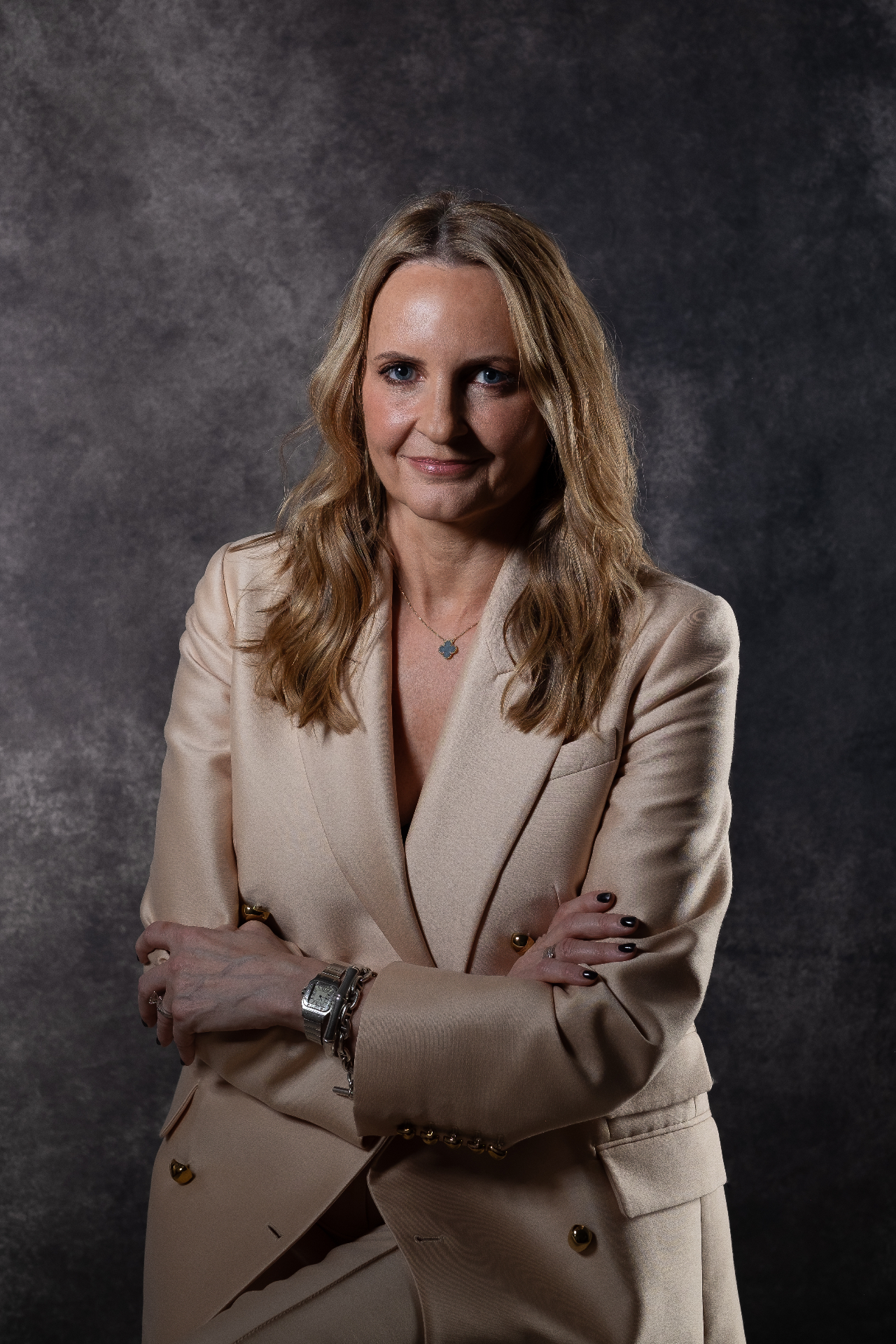
CEO, Author and Principal Consultant
Felicity Menzies
Every Culture Plus engagement is delivered with behavioural rigour and practical relevance by Felicity Menzies, author, former senior executive and expert facilitator whose work is grounded in psychology and behavioural science.
- Role
- Founder, Culture Plus Consulting
- Qualification
- Bachelor of Arts (Psychology), University Medallist; Fellow, Chartered Accountants Australia and New Zealand; Bachelor of Commerce; Advanced Accreditation, Cultural Intelligence; Oxford Saïd AI Governance, Compliance & Ethics; Certified AI Ethicist
- Experience
- 15+ years advising leading global and Australian private and government organisations; former senior executive in financial services and consulting
- Discipline
- Psychology, behavioural science & trauma-informed practice
- Published
- A World of Difference (2016); contributor to leading business and HR publications globally
- Recognition
- LinkedIn Top Voice; commendation in NSW Parliament
Credentials
Cultural Intelligence-accredited expertise
Verified accreditation to deliver Cultural Intelligence (CQ) assessments and training from the global standard-setter.
From the book
Culture is the sum of behaviours leaders permit, model, and reward.A World of Difference: Felicity Menzies →
Free guide
Need unconscious bias in hiring & inclusive recruitment training that changes hiring outcomes?
This guide outlines the essential conditions for effective bias training that builds lasting capability, moving beyond awareness to practical capability for fair and defensible hiring.
Download the guideFrequently asked questions
Questions about unconscious bias in hiring & inclusive recruitment, answered.
If you have a question we haven't covered, write to us. A real human responds within one working day.
General bias training covers all workplace decisions and interactions. This program focuses entirely on the recruitment and selection process: job design, screening, interviewing, panel calibration, and offers. Many organisations invest in both programs.
Still have questions?
Talk to Felicity
Make hiring decisions your organisation can defend and be proud of
This isn't about lowering the bar.
It's about strengthening the discipline that leads to better hiring outcomes and more inclusive, high-performing teams. Equip your hiring managers and recruitment teams to make structured, fair, and defensible hiring decisions.
Scope an inclusive recruitment program