Resource · Australia
ISO 45003 explained: the psychosocial risk standard.
ISO 45003:2021 is the international guidance standard for managing psychosocial risk inside an occupational health and safety management system. It is not certifiable on its own and it is not law in Australia, but it maps closely to the duties in the model WHS Regulations, and it gives boards and executives an internationally recognised framework for demonstrating that psychosocial risk is being managed systematically rather than reactively.
The three hazard domains.
ISO 45003 organises psychosocial hazards into three domains. They overlap substantially with the 17 hazards in the Safe Work Australia Code of Practice, which is why an ISO 45003-aligned system also satisfies most Australian identification expectations.
How work is organised
Roles and expectations, job demands and pace, job control and autonomy, organisational and job design, resourcing, work scheduling, remote and isolated work, and job security.
Social factors at work
Interpersonal relationships, leadership quality, organisational and workgroup culture, recognition and reward, career development, support, supervision, civility and respect, and bullying, harassment and violence.
Work environment, equipment and hazardous tasks
Inadequate equipment and facilities, unsafe or unpleasant physical conditions, and exposure to hazardous or emotionally demanding tasks including traumatic material.
The Plan-Do-Check-Act cycle.
Plan
Determine the context, interested parties and scope; establish psychosocial risk policy, objectives and leadership commitment; identify hazards and assess risk.
Do
Implement controls, competence and awareness building, consultation and participation, communication, and documented information.
Check
Monitor, measure and evaluate (including leading indicators, incident and injury data, and worker feedback) and internally audit.
Act
Address nonconformity, respond to incidents, and drive continual improvement through management review.
How ISO 45003 maps to Australian obligations.
| ISO 45003 element | Australian obligation it supports |
|---|---|
| Hazard identification | ISO 45003 clause 6.1.2 aligns closely with the identification duty in model WHS Regulation 55 and the Safe Work Australia Code of Practice. |
| Consultation and participation | ISO 45003 clause 5.4 maps to the consultation duties in sections 47–49 of the WHS Act. |
| Leadership and commitment | ISO 45003 clause 5.1 supports the officer due diligence duty in section 27 of the WHS Act. |
| Controls and hierarchy | ISO 45003 clause 8.1.2 mirrors the hierarchy of controls applied to psychosocial risk in Australian regulator guidance. |
| Performance evaluation | ISO 45003 clause 9 provides the monitoring and review evidence Australian regulators request after an incident. |
| Positive Duty overlap | Harassment and sexual harassment sit inside ISO 45003's social factors, and also trigger the separate proactive AHRC Positive Duty. |
Alignment is not compliance. ISO 45003 tells you how to build the system; Australian law tells you what the system must achieve. Where the two diverge, the WHS Regulations, the applicable state code of practice and the Positive Duty govern.
Where implementations fail.
The documentation is rarely the problem. Implementations fail at the point of execution: policies exist, but people leaders have never been taught to recognise a psychosocial hazard in their own management practice, or to respond to disclosure without amplifying harm. ISO 45003 makes competence an explicit clause for exactly that reason. Our psychosocial hazards and safety training with trauma-informed leadership builds that competence, and board and executive briefings cover the leadership and management review clauses at officer level.
Management systems in practice



Trusted partners
Governance and assurance clients.
I heard your session yesterday was an absolute success. Our committee chair briefed the executive team this morning and talked about the great energy and engagement and space to discuss. A few of the executive team shared some experiences and reflections they had over the last week and how the messages from you really opened their eyes. Great to hear ongoing reflection.

Your facilitator
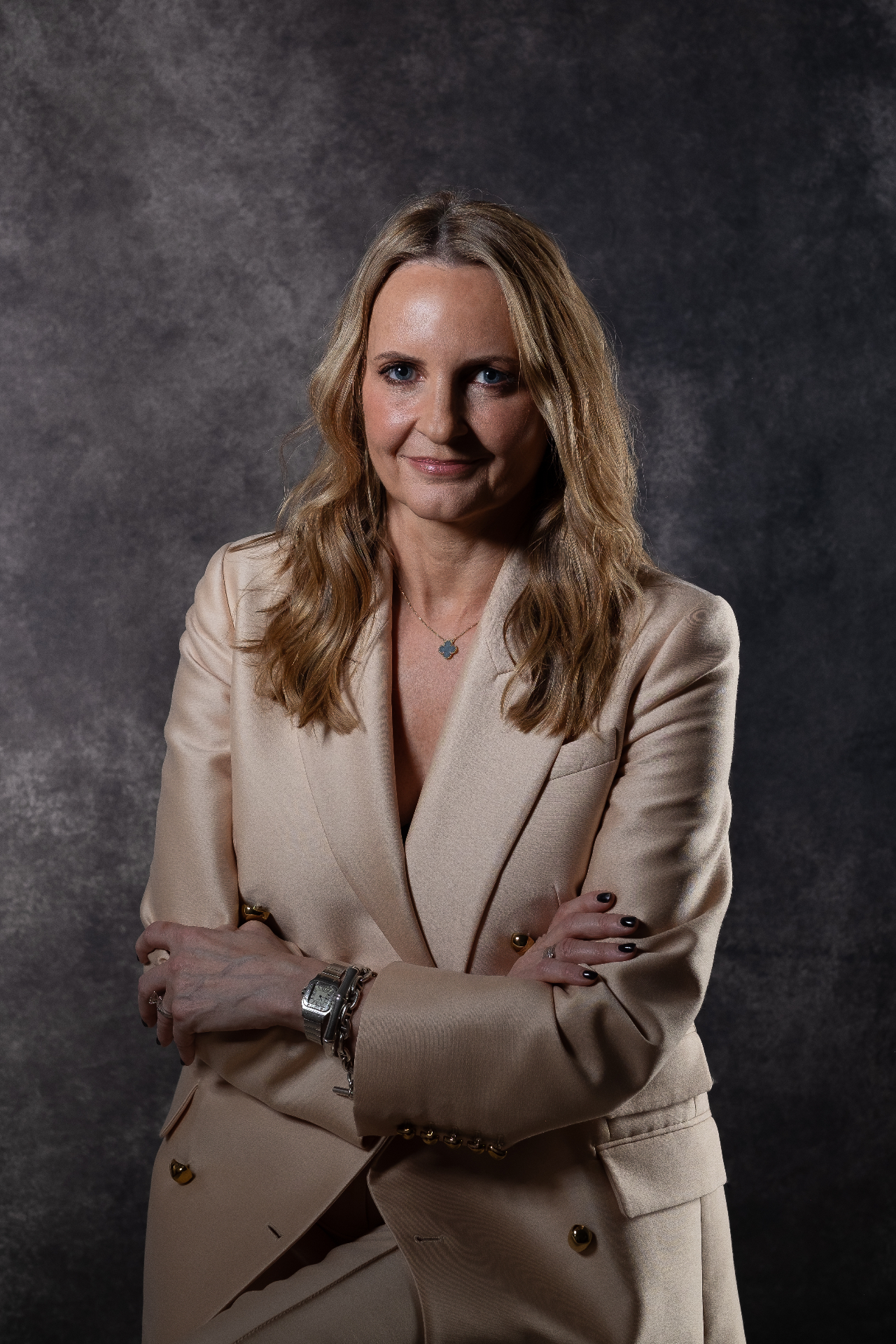
CEO, Author and Principal Consultant
Felicity Menzies
Every Culture Plus engagement is delivered with behavioural rigour and practical relevance by Felicity Menzies, organisational psychology specialist, author, and expert consultant.
- Role
- Founder, Culture Plus Consulting
- Qualification
- Bachelor of Arts (Psychology), University Medallist; Fellow, Chartered Accountants Australia and New Zealand; Bachelor of Commerce; Advanced Accreditation, Cultural Intelligence; Oxford Saïd AI Governance, Compliance & Ethics; Certified AI Ethicist
- Experience
- 15+ years advising leading global and Australian private and government organisations; former senior executive in financial services and consulting
- Discipline
- Psychology, behavioural science & trauma-informed practice
- Published
- A World of Difference (2016); contributor to leading business and HR publications globally
- Recognition
- LinkedIn Top Voice; commendation in NSW Parliament
ISO 45003: common questions.
While you're here
Related services
Psychosocial Hazards Consulting & Risk Assessment
Identify, assess and control psychosocial hazards at work aligned with WHS regulator expectations.
Psychosocial Hazards Consulting & Risk Assessment →Employee Listening & Focus Groups
Independently facilitated, trauma-informed listening on respect, safety and inclusion.
Employee Listening & Focus Groups →Psychosocial Hazards & Safety Training for Leaders
Equip leaders to manage psychosocial hazards under WHS Regulations, ISO 45003 and Positive Duty.
Psychosocial Hazards & Safety Training for Leaders →Further reading
From the journal

Psychosocial Safety Is a Governance Problem, Not a Wellbeing One
Beyond Compliance: Five Shifts that Moved Psychosocial Safety to the Boardroom