Culture+

Advice & Strategy

Independent workplace culture reviews.

Senior, independent reviews for boards and executives navigating the positive duty, a regulatory inquiry or a contested cultural moment. Findings that hold up — externally and internally — and a credible plan for what happens next.

Commission a review
C+

Culture Plus method

Independent. Evidence-led. Board-defensible.

Build trust & certainty

Build trust, support regulatory requirements and surface what next.

The Respect@Work positive duty, sector-specific conduct frameworks and rising stakeholder expectations have raised the bar on what a credible review looks like. Internal review is no longer sufficient where the question is contested, the stakes are public, or the regulator is watching.

An independent review re-establishes trust with the workforce, satisfies the evidentiary bar for regulators and gives the board a defensible foundation for what comes next.

"The Australian Human Rights Commission can investigate compliance and, where appropriate, compel action."
"Where culture is contested, an independent review is the most direct evidence of seriousness."
Talk to Felicity

Cultural reform, delivered at the heart of government.

Trusted at the highest level.

NSW Parliament

Culture Plus Consulting was engaged by NSW Parliament to design and deliver Respect at Work and Trauma Informed Response training across its workforce — a flagship reform initiative responding to the Broderick Review of bullying, sexual harassment and sexual misconduct in NSW parliamentary workplaces. This engagement represents a proud achievement in delivering reform-grade Respect at Work training in high-scrutiny environments.


Parliament of New South Wales

NSW Premier's Department

In an ongoing engagement, Culture Plus Consulting delivers Respect at Work training to the Premier, Ministers and Ministerial staff — a key recommendation of the Goward Review aimed at building respectful, safe and accountable workplaces at the heart of government.

Premier's Department NSW

Review snapshot

What you need to know at a glance.

For organizations requiring ongoing support beyond a review, Culture Plus also offers Strategic Advice & Governance services to help embed long-term cultural change.

Boards, CEOs and executive teams navigating the Positive Duty, WHS psychosocial obligations, WGEA reporting, regulatory scrutiny, or a contested cultural moment where internal review is insufficient.

Contact us to discuss your scope

Trusted partners

Culture review clients.

"
Felicity Menzies has been a valued long-term partner to CAANZ, delivering outstanding work across diagnostic, capability building, and strategy. As a complex organisation wearing multiple hats — employer, educator, member-based organisation, and professional standards body — we needed someone who could grasp that complexity. Felicity did exactly that, customising every engagement to reflect our unique context across Australia and New Zealand. Her deep facilitation skills rate highly among our leaders and staff, and her advisory support is trusted and practical. We highly recommend her.
Shona Tarrant
Group Executive, People and Culture
Chartered Accountants Australia & New ZealandChartered Accountants Australia & New Zealand
1 / 12

When to commission a review

Six signals that an independent review is the right next step.

Reviews can be scoped to the whole organisation, or targeted to a specific site, function or team. Knowing when to commission one is itself a governance discipline — these are the moments boards and executives most often act.

Reports or complaints

Allegations of bullying, harassment, discrimination or misconduct — particularly where patterns suggest a systemic, not isolated, issue.

Turnover & morale signals

Persistent attrition, low engagement scores, exit interview themes or rising absenteeism in a team, function or site.

Restructure or M&A

Mergers, acquisitions, leadership change or significant restructure where two cultures must integrate — or where a reset is needed.

Psychosocial risk

Evidence of poor psychological safety, team dysfunction, fear of speaking up, or unreported psychosocial hazards.

Regulatory scrutiny

Active investigation, increased regulator interest, or a public moment where the board needs independent evidence — not internal assurance.

Proactive assessment

A board or executive decision to test culture against the Positive Duty, WHS and WGEA obligations before an issue forces the question.

The Australian regulatory context

Positive Duty, WHS and WGEA — handled in one review.

Australian organisations now operate under three overlapping frameworks that all require evidence of proactive cultural work. Our reviews are designed to satisfy each in a single, coordinated engagement — rather than running three separate exercises.

Positive Duty

Sex Discrimination Act

Organisations have a positive, proactive duty to prevent sexual harassment, sex discrimination and related conduct. The AHRC can investigate compliance and, where appropriate, compel action. An independent culture review is one of the clearest evidentiary signals the duty is being taken seriously at board level.

WHS

Psychosocial Obligations

Work Health and Safety law requires employers to manage psychosocial risks — bullying, harassment, poor support, role conflict, exposure to traumatic content — through systematic risk assessment, worker consultation and effective controls. A culture review surfaces these hazards before they materialise as injury or claim.

WGEA

Gender Equality Reporting

WGEA-reporting organisations must demonstrate measurable progress on gender equality and engage workforces to identify structural barriers. A culture review provides the qualitative evidence that complements published gender equality metrics and pay gap data.

Diagnostic framework

A flexible diagnostic framework, calibrated to your terms of reference.

Triangulated evidence is only as useful as the framework that organises it. The dimensions below are a starting structure we adapt — adding, weighting or combining lenses based on your sector, structure, risk profile and the specific questions your board or executive need answered. The terms of reference set the scope; the framework keeps the findings comparable, defensible and actionable.

01

Psychological safety

Whether people can raise concerns, dissent or admit error without fear of penalty.

02

Communication patterns

How information flows up, down and across — what is said, what is unsaid, what is filtered.

03

Leadership behaviours

How leaders model, reinforce or undermine the stated culture in daily decisions.

04

Power dynamics

Who holds informal authority, how influence is exercised, and where it is concentrated.

05

Trust in process

Workforce confidence in complaints, performance, promotion and consequence systems.

06

Voice & speak-up

Whether dissent, feedback and disclosure are genuinely welcomed and acted on.

07

Accountability & consequence

Consistency of how standards are upheld — and whether outcomes match stated values.

08

Inclusion & belonging

Lived experience of diversity, equity and inclusion across roles, levels and identities.

09

Recognition & reward

How performance, contribution and behaviour are valued, rewarded or overlooked.

10

Learning from harm

How the organisation responds to mistakes, complaints and disclosures — repair or repeat.

Optional focus area

The lived experience of harm — nature and prevalence.

Where terms of reference call for it, we run a dedicated workstream on bullying, harassment and sexual harassment — measuring both prevalence (how often, to whom, by whom, where) and nature (form, severity, response, aftermath). The output is the evidence base your board needs to discharge the Positive Duty and identify psychosocial hazards under WHS law.

  1. SurveyMethod 01

    Anonymous prevalence survey

    A confidential, validated instrument measuring twelve-month prevalence of bullying, sexual harassment, discrimination and related conduct — disaggregated by gender and other identity characteristics, level, function, location and tenure to surface where and to whom harm concentrates. Also captures perpetrator details (role, level, relationship to target and repeat-offender patterns) to identify accountability gaps.

  2. InterviewMethod 02

    Trauma-informed interviews

    One-to-one, consent-based interviews with people who have lived experience of harm — paced, supported and structured to prevent re-traumatisation while capturing pattern, severity, response and aftermath.

  3. SubmissionMethod 03

    Private written submissions

    A secure channel for written accounts — including from former employees, contractors and bystanders — for those who prefer not to speak but want their experience on the record.

Endorsed capability partner

Trusted by Australia's peak HR body.

Australian HR Institute (AHRI)

Culture Plus Consulting is proud to design and deliver flagship DEI programmes for the Australian Human Resources Institute (AHRI) — Australia's peak HR professional body — supporting HR leaders and practitioners to build capability for inclusive leadership and organisational change.

Connect with us to explore how evidence-based DEI training can help your organisation build capability, strengthen culture, and deliver meaningful, measurable change.

Our Process

Our independent workplace review process.

We follow a rigorous, board-fluent methodology grounded in organisational psychology and trauma-informed practice. Every participant can speak freely without fear of reprisal — and every finding is corroborated, not anecdotal. Each review is tailored to the regulatory and cultural context of your organisation.

How we engage your workforce

A consultation architecture people trust.

The quality of a culture review is determined by the quality of the consultation. If people do not feel safe to speak, the evidence is thin and the recommendations miss. Every Culture Plus engagement is built on six design principles that protect participants and produce honest evidence.

Independent facilitation

All interviews and ideation sessions are facilitated by Felicity directly — never by anyone with a line of accountability inside your organisation.

Confidential opt-in

Participation is voluntary. Employees opt in via a private channel and can withdraw at any point without notice to their manager or HR.

Trauma-informed design

Sessions are paced, consent-based and structured to prevent re-traumatisation — with clear support pathways for participants who disclose harm.

Employee ideation sessions

Beyond surfacing concerns, we run structured ideation with frontline employees so the eventual roadmap reflects what the workforce believes will actually work.

De-identification

Findings are reported in aggregate. Quotes are stripped of identifying detail. No individual is identifiable — to leadership, to the board, or to the regulator.

Data security & handling

All recordings, transcripts and notes are held under documented data-security protocols, with retention and destruction terms agreed in the terms of reference.

What you receive

Four deliverables, designed to drive action.

A review is only valuable if it changes something. Each engagement produces four named outputs — sequenced so findings move from evidence, to leadership alignment, to embedded action.

Deliverable 01

Comprehensive findings report

A board-fluent written report with triangulated evidence, themes, root-cause analysis and prioritised recommendations — written to withstand external scrutiny.

Deliverable 02

Confidential leadership debrief

A private session with the chair, CEO or board sub-committee to walk through findings, test interpretation and prepare for difficult conversations before broader release.

Deliverable 03

Co-designed action roadmap

A practical, sequenced remediation plan built with your leadership team — with named accountability, success measures and an honest view of what change requires.

Deliverable 04

Ongoing consultation

Optional standing-advisor support through implementation — pressure-testing decisions, briefing the board on progress and adjusting the plan as conditions change.

What changes after a review

Real certainty for the board.

Diagnose Root Causes

Move beyond symptoms like attrition, disengagement or isolated complaints to pinpoint the systemic drivers in leadership, communication, policies and behaviours that are actually shaping conduct.

Scope a review for your board

Our methodology

How we drive end-to-end culture change.

Every Culture Plus review is built on the same evidence-based methodology. Hover any step for detail:

MapBuildWireTransferTest

Diagnostic, not investigation

"A culture review is not an investigation. It does not adjudicate specific allegations or apportion blame to named individuals. It examines the system that shaped the conduct — the patterns, drivers and structural risks — and builds the evidence base for what changes next."

Investigations and reviews answer different questions. Where allegations require adjudication, we will say so — and refer to appropriately qualified investigators. Where the question is cultural, a review is the right instrument.

Your consultant

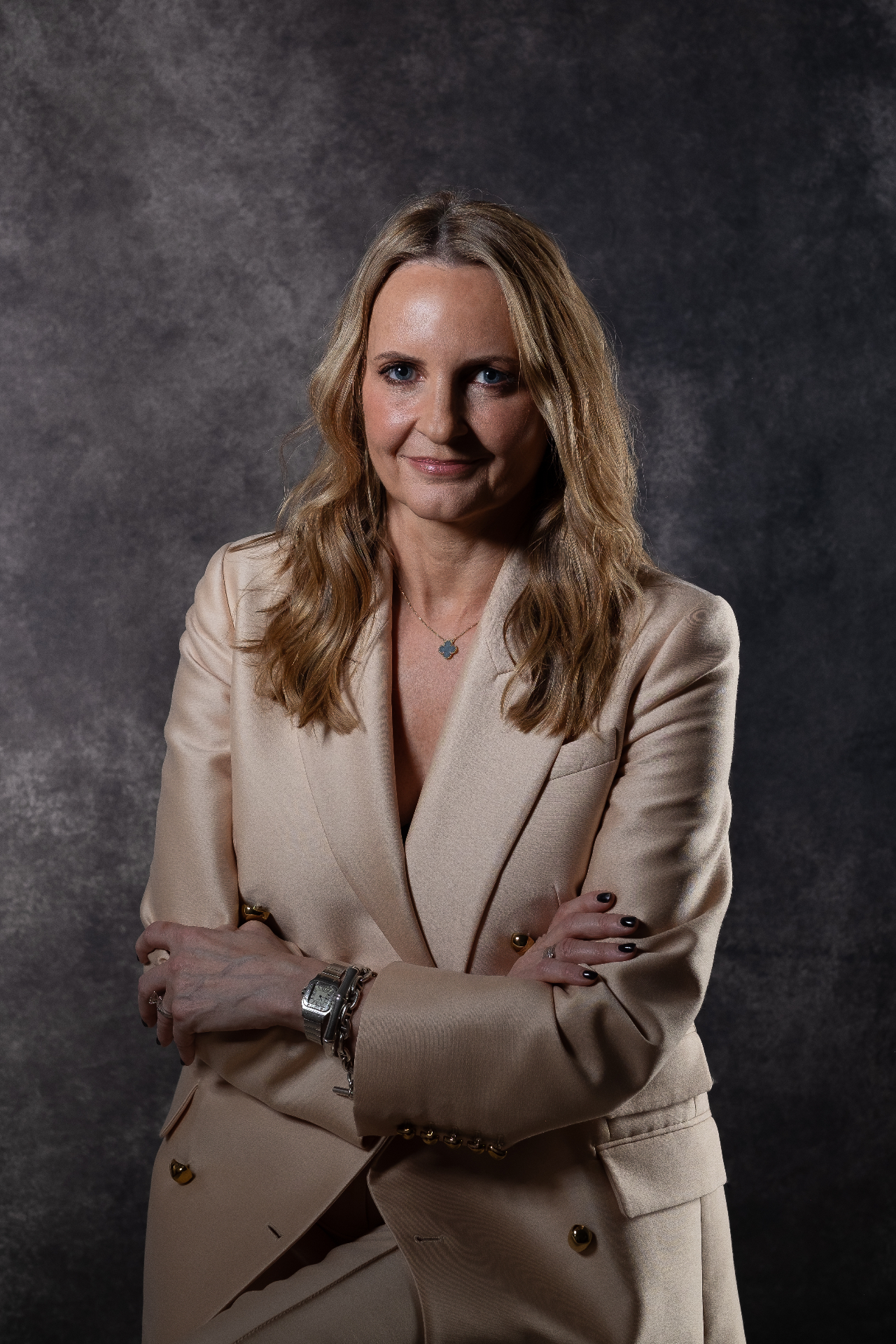
Felicity Menzies, Founder of Culture Plus Consulting

CEO, Author and Principal Consultant

Felicity Menzies

Every Culture Plus engagement is delivered with behavioural rigour and practical relevance by Felicity Menzies — organisational psychologist, author, and specialist consultant.

Role
Founder, Culture Plus Consulting
Qualification
Bachelor of Arts (Psychology) — University Medallist; Fellow, Chartered Accountants Australia and New Zealand; Bachelor of Commerce; Advanced Accreditation, Cultural Intelligence; Oxford Saïd AI Governance, Compliance & Ethics; Certified AI Ethicist
Experience
15+ years advising leading global and Australian private and government organisations; former senior executive in financial services and consulting
Discipline
Organisational psychology, behavioural science & trauma-informed practice
Published
A World of Difference (2016); contributor to leading business and HR publications globally
Recognition
LinkedIn Top Voice; commendation in NSW Parliament

Frequently asked questions

Questions about workplace reviews, answered.

If you have a question we haven't covered, write to us — a real human responds within one working day.

All feedback from interviews and focus groups is anonymised and reported in aggregate. No individual is identifiable in the findings. Consent, document handling, data security and storage are governed by strict protocols agreed in the terms of reference — creating a genuinely safe space for honest sharing.

Build a better working culture

Findings that hold up.

A 45-minute confidential conversation with a senior reviewer to scope what an independent review could look like for your organisation, your sector and the question at hand.

Book a conversation