Culture+

Advisory · WHS Psychosocial Risk

Managing psychosocial risk under Australia's new WHS regime.

Every Australian jurisdiction now requires PCBUs to identify, assess and control psychosocial hazards with the same rigour as physical risks. Regulators are issuing improvement notices, prosecuting failures, and expecting documented systems — not goodwill.

Scope a psychosocial risk review
C+

Culture Plus method

Behaviour-first. Evidence-based. Built to last.

A regulatory step-change

Psychosocial risk is now core WHS — not a wellbeing add-on.

Amendments to model WHS Regulations and the release of Safe Work Australia's Code of Practice on Managing Psychosocial Hazards at Work have set a clear national expectation. NSW, Victoria, Queensland, WA, the ACT, Tasmania, the NT and the Commonwealth (Comcare) have each adopted or paralleled the framework — with regulators actively inspecting and enforcing.

PCBUs and officers must now demonstrate a systematic approach to identifying psychosocial hazards, assessing risk, implementing controls in line with the hierarchy of controls, and reviewing effectiveness. Reliance on EAPs, resilience training and one-off surveys no longer meets the standard.

"Psychosocial hazards must be managed with the same rigour as physical hazards — identified, assessed, controlled at the source, and reviewed."
Request a conversation

Programme snapshot

What you need to know at a glance.

Managing psychosocial risk is now a sustained operational discipline — not a project, a survey, or a training module. Regulators expect evidence that the system is designed, used, and improved over time.

Boards and officers, executives, WHS and HR leaders, risk and compliance teams, and people leaders accountable for psychosocial safety under WHS law.

Common compliance gaps

  • No documented psychosocial risk register or assessment methodology.
  • Controls limited to EAPs, resilience training and 'wellbeing' initiatives.
  • Job and work design risks (workload, role clarity, change) not addressed at source.
  • Bullying, harassment and exposure to trauma treated separately from WHS.
  • Officers unable to evidence due diligence on psychosocial risk.
  • No consultation mechanism for workers and HSRs on psychosocial hazards.

What regulators look for

Evidence aligned with the Code of Practice:

  • Hazard identification across job design, environment and behaviour
  • Risk assessment proportionate to likelihood and severity
  • Controls applied via the hierarchy — eliminate first, not just train
  • Genuine worker and HSR consultation
  • Documented review after incidents, complaints or change
  • Officer oversight and reporting to the board

Endorsed capability partner

Trusted by Australia's peak HR body.

Australian HR Institute (AHRI)

Culture Plus Consulting is proud to design and deliver flagship DEI programmes for the Australian Human Resources Institute (AHRI) — Australia's peak HR professional body — supporting HR leaders and practitioners to build capability for inclusive leadership and organisational change.

Connect with us to explore how evidence-based DEI training can help your organisation build capability, strengthen culture, and deliver meaningful, measurable change.

The 14 Common Psychosocial Hazards

A risk-based view of psychosocial harm.

Safe Work Australia's Model Code of Practice identifies common psychosocial hazards organisations must assess and control. Our advisory helps you build a register, prioritise risk, and design controls grounded in the hierarchy of controls.

Eliminate

Remove the hazard at its source through job and work design, structural and process change.

Substitute / Isolate

Replace or separate workers from the hazard where elimination is not reasonably practicable.

Engineer / Administer

Engineering, scheduling, policy and procedural controls that reduce exposure and severity.

PPE & Support

Individual-level supports such as training, supervision and EAP — the lowest level of the hierarchy.

Advisory Services

How we help you manage psychosocial risk.

Risk Assessments

Psychosocial risk assessments that combine survey data, focus groups, incident and complaint trend analysis, and review of job and work design. We deliver a defensible risk register, prioritised by likelihood and severity, with regulator-ready documentation.

Discuss your advisory needs

Our methodology

The Practical Capability Model

Every Culture Plus engagement is built on the same evidence-based methodology. Hover any step for detail:

MapBuildWireTransferTest

Your facilitator

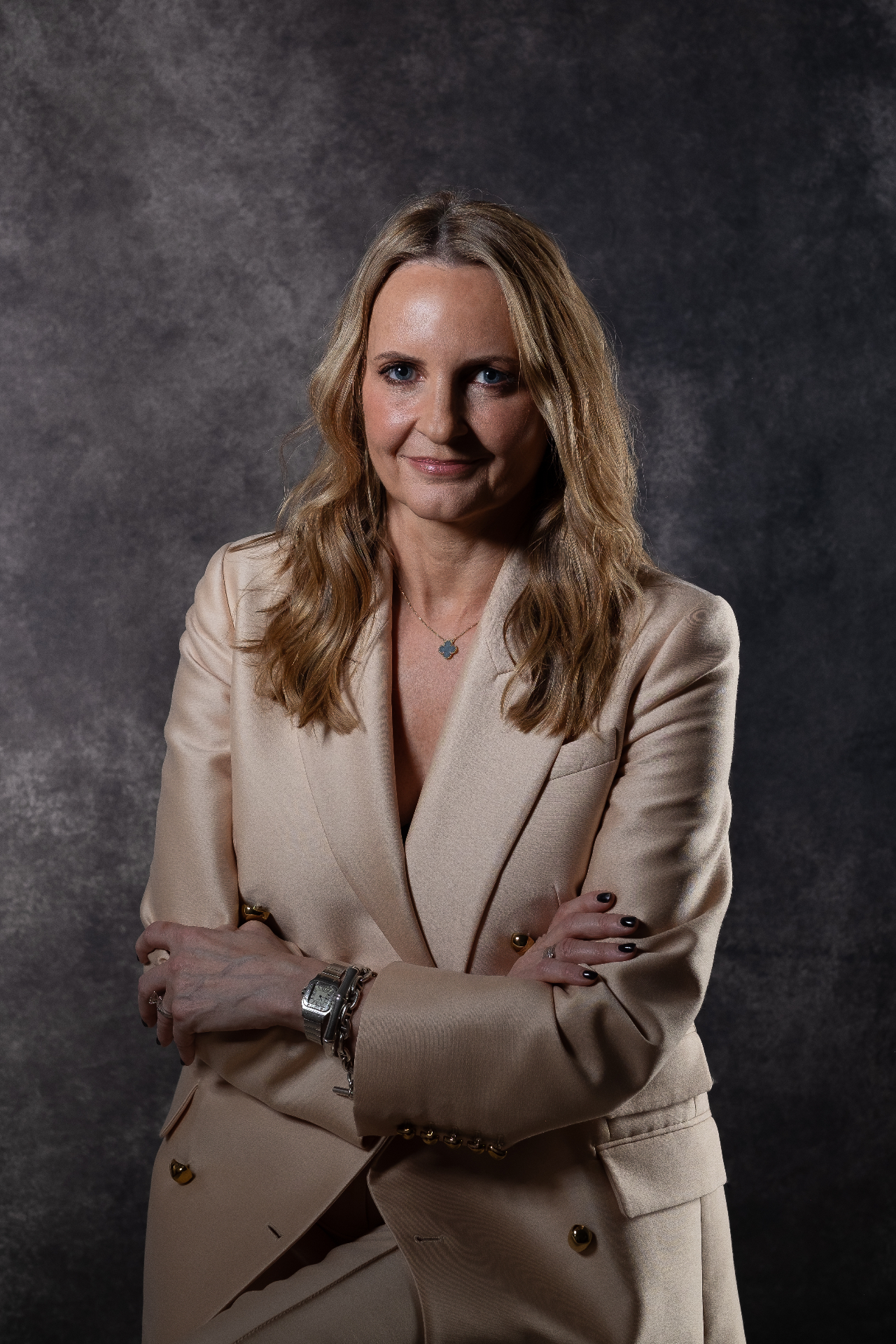
Felicity Menzies, Founder of Culture Plus Consulting

CEO, Author and Principal Consultant

Felicity Menzies

Every Culture Plus engagement is delivered with behavioural rigour and practical relevance by Felicity Menzies — organisational psychologist, author, and specialist facilitator.

Role
Founder, Culture Plus Consulting
Qualification
Bachelor of Commerce; Bachelor of Arts (Psych) — University Medallist; Fellow, Chartered Accountants Australia and New Zealand
Experience
15+ years advising leading global and Australian private and government organisations; former senior executive in financial services and consulting
Discipline
Organisational psychology, behavioural science & trauma-informed practice
Published
A World of Difference (2016); contributor to leading business and HR publications globally
Recognition
LinkedIn Top Voice; commendation in NSW Parliament

From the book

Culture is the sum of behaviours leaders permit, model, and reward.
A World of Difference — Felicity Menzies →

Key questions for officers

Can your board evidence due diligence on psychosocial risk?

  • Q1 Do you have a documented psychosocial risk register and assessment process?
  • Q2 Are controls applied through the hierarchy — not just training and EAPs?
  • Q3 Are workers and HSRs genuinely consulted on psychosocial hazards?
  • Q4 Does the board receive regular, meaningful reporting on psychosocial risk?
Request a psychosocial risk review

Trusted partners

Psychosocial safety clients.

"
I thank Felicity Menzies for the initial training sessions and commend her on the job that she has done.
Dominic Perrottet
New South Wales Premier
NSW Parliament
1 / 5

Frequently asked questions

Questions about psychosocial risk, answered.

For boards, officers and WHS leaders, the practical question is no longer whether psychosocial risk applies — but how to build a system regulators will accept. If you have a specific question, please reach out.

Model WHS Regulations now expressly require PCBUs to manage psychosocial risk, supported by Safe Work Australia's Model Code of Practice. NSW, Victoria, Queensland, WA, the ACT, Tasmania, the NT and the Commonwealth have each adopted or paralleled the framework, with regulators issuing inspector guidance and enforcement priorities.

Strengthen WHS — protect your people

Psychosocial safety is now a board-level obligation.

We help organisations build defensible psychosocial risk management systems — integrated with positive duty obligations, respect at work, and existing WHS frameworks — so officers can evidence due diligence and workers are genuinely safer.

Scope a strategic consultation