High-Performing Teams
Psychological safety training for leaders and teams in Australian workplaces.
Psychological safety training for Australian leaders and teams. Whether you're seeking to improve team communication, strengthen decision-making, support innovation, manage psychosocial risk under WHS law, or encourage employees to raise concerns early. This program equips leaders and teams with practical tools to foster open dialogue, constructive challenge, and a strong speak-up culture.
Book a ConsultationCulture Plus method
Behaviour-first. Evidence-based. Built to last.
Practical, behaviour-focused psychological safety training
Practical, behaviour-focused psychological safety training that genuinely strengthens speaking up, collaboration, and decision-making.
Psychological safety is the shared belief that team members can speak up, such as ask questions, share ideas, admit mistakes, or challenge decisions, without fear of embarrassment or punishment.
Research by Harvard professor Amy Edmondson demonstrates that psychologically safe teams are more innovative, resilient, and effective. Google's Project Aristotle similarly identified psychological safety at work as the most critical factor in high-performing teams.
Importantly, psychological safety does not remove accountability. Instead, it creates conditions where honest dialogue, constructive challenge, and continuous learning can occur, improving team performance and organisational outcomes.
In Australia, psychological safety also supports organisations to manage psychosocial hazards and risk factors under WHS legislation and reinforces Respect@Work and Positive Duty obligations by creating environments where employees feel able to raise concerns about bullying, harassment, sexual harassment, discrimination, or other workplace risks.
Common concerns
"We've had problems blow up before because people didn't feel safe to speak up and admit mistakes or problems."
"Our surveys show that people generally don't feel their ideas are valued by their leaders and withhold the sharing of new ideas because nothing ever changes."
"Exit survey results have highlighted a gap in reporting harmful behaviours."
Program snapshot
What you need to know at a glance.
Leaders, managers, intact teams, HR and People & Culture professionals, and organisational development practitioners seeking to strengthen team communication, collaboration, and psychological safety while supporting psychosocial risk management.
Leaders and teams develop clear behavioural practices that support speaking up, constructive challenge, learning from mistakes, and open dialogue, helping psychological safety become part of everyday work rather than a theoretical concept.
Many programs explain psychological safety but do not change behaviour. This program focuses on practical leadership behaviours and team practices that create safer discussions and encourage participation. Participants gain structured tools for facilitating inclusive meetings, responding constructively to mistakes or feedback, encouraging quieter voices, and navigating challenging conversations.
Leadership development, team effectiveness initiatives, psychosocial risk management under WHS laws, Respect@Work and Positive Duty obligations, organisational culture programs, DEI initiatives.
From focused 90-minute sessions to half-day workshops or extended multi-session programs, delivered in person, virtually, or in hybrid formats across Australia and internationally. Also available as webinars, keynotes, or 90-minute workshops.
How this differs
Where this sits alongside our other psychosocial programs.
This program focuses on team climate: the shared belief that people can speak up, admit mistakes, challenge decisions and learn from failure without fear of embarrassment or punishment. It is not a general psychosocial risk course; it is a targeted intervention for the behaviours that create or destroy team learning.
Focuses on team climate and interpersonal risk: speaking up, admitting error, challenging decisions and learning from failure.
Grounded in Amy Edmondson's research and Google's Project Aristotle, translated into practical, observable behaviours.
Works at the intact-team level as well as with leaders, because psychological safety is a shared team property.
Treats psychological safety as a performance enabler that raises accountability and dialogue, not as the removal of standards.
Directly supports WHS psychosocial duties and Respect@Work / Positive Duty by making concern-raising safer.
Available in flexible formats from 90-minute sessions to multi-module programs, in person or live virtual.
Choosing the right program
Program
Focus
Who it's for
Choose it when
This program
Psychological Safety Training
Team climate: speaking up, admitting error, challenging decisions, learning from failure.
Intact teams and their leaders.
Silence, low candour or poor learning from mistakes is the presenting problem.
Psychosocial safety, respect at work and inclusive leadership brought together in one integrated pathway, replacing three separate trainings.
All people leaders.
You need a baseline solution for all people leaders across safety, respect and inclusion.
Managing recognised psychosocial hazards, supporting workers, preventing everyday management from causing or compounding harm, and responding safely to distress or disclosure.
Leaders in sectors and workforces at greater risk of psychological injury.
The nature of the work or external factors heighten workers’ risk of psychological injury.
Keeping pressure productive in high-performance commercial cultures: work design, leader behaviour under pressure and prevention of interpersonal harm.
Leaders in demanding, high-performance environments, including funds management, banking, law and professional services.
High performance is the context and psychosocial risk must be managed within it.
Mental health as an operational safety competency, recognising early warning signs, supportive conversations, mental health risks that originate outside work.
Operational and frontline leaders where poor mental health is a safety risk.
Human-factor risk, fatigue and impaired judgement drive incidents.
Positive Duty, sexual harassment and sex-based harassment prevention, receiving disclosures, bystander action.
People leaders with conduct responsibilities.
Respect@Work compliance and conduct prevention is the driver.
These programs are complementary. The integrated Safety · Respect · Inclusion pathway is our baseline for all people leaders. Add a risk-specific program where the nature of the work, workforce exposure or performance culture calls for deeper capability.
Endorsed capability partner
Trusted by Australia's peak HR body.

Culture Plus Consulting is proud to design and deliver flagship DEI programs for the Australian Human Resources Institute (AHRI) (Australia's peak HR professional body), supporting HR leaders and practitioners to build capability for inclusive leadership and organisational change.
Connect with us to explore how evidence-based DEI training can help your organisation build capability, strengthen culture, and deliver meaningful, measurable change.
What this training covers
What this Psychological Safety Training covers.
You know psychological safety matters for team performance, innovation, safety, and engagement. This training equips leaders and teams to build it through practical, everyday behaviours.
Understand what psychological safety is and what it is not. Explore how team dynamics, leadership behaviour, and power (formal and informal) influence whether people feel safe speaking up.
Develop techniques that enable team members to raise ideas, concerns, and questions constructively while supporting productive dialogue and learning.
Equip leaders and team members to respond positively when colleagues challenge decisions or raise difficult feedback, transforming disagreement into learning.
Support teams to co-create clear working agreements, such as a Team Charter or Social Contract, that encourage curiosity, open dialogue, and constructive challenge in everyday work.
Learn frameworks for restoring trust and safety when conflict, mistakes, or communication breakdowns occur.
Explore the relationship between psychological safety, psychosocial hazard management under Australian WHS laws, and Respect@Work and Positive Duty obligations relating to workplace behaviour and reporting.
What changes after this training
Real shifts that matter.
Participants gain confidence speaking up, navigating difficult conversations, and encouraging open dialogue within teams. Leaders develop practical tools for responding constructively to mistakes, feedback, and disagreement.
Selected work




Trusted partners
Psychological safety clients.
Felicity, you are always excellent and have such a lovely way of running the workshops. You are the clear authority in the room and yet never make anyone feel wrong or uninformed — it's great to watch the way you manage the content and people. You are very generous and create a great space.

Our methodology
The Practical Capability Model
Every Culture Plus program is built on the same evidence-based methodology. Hover any step for detail:
Your facilitator
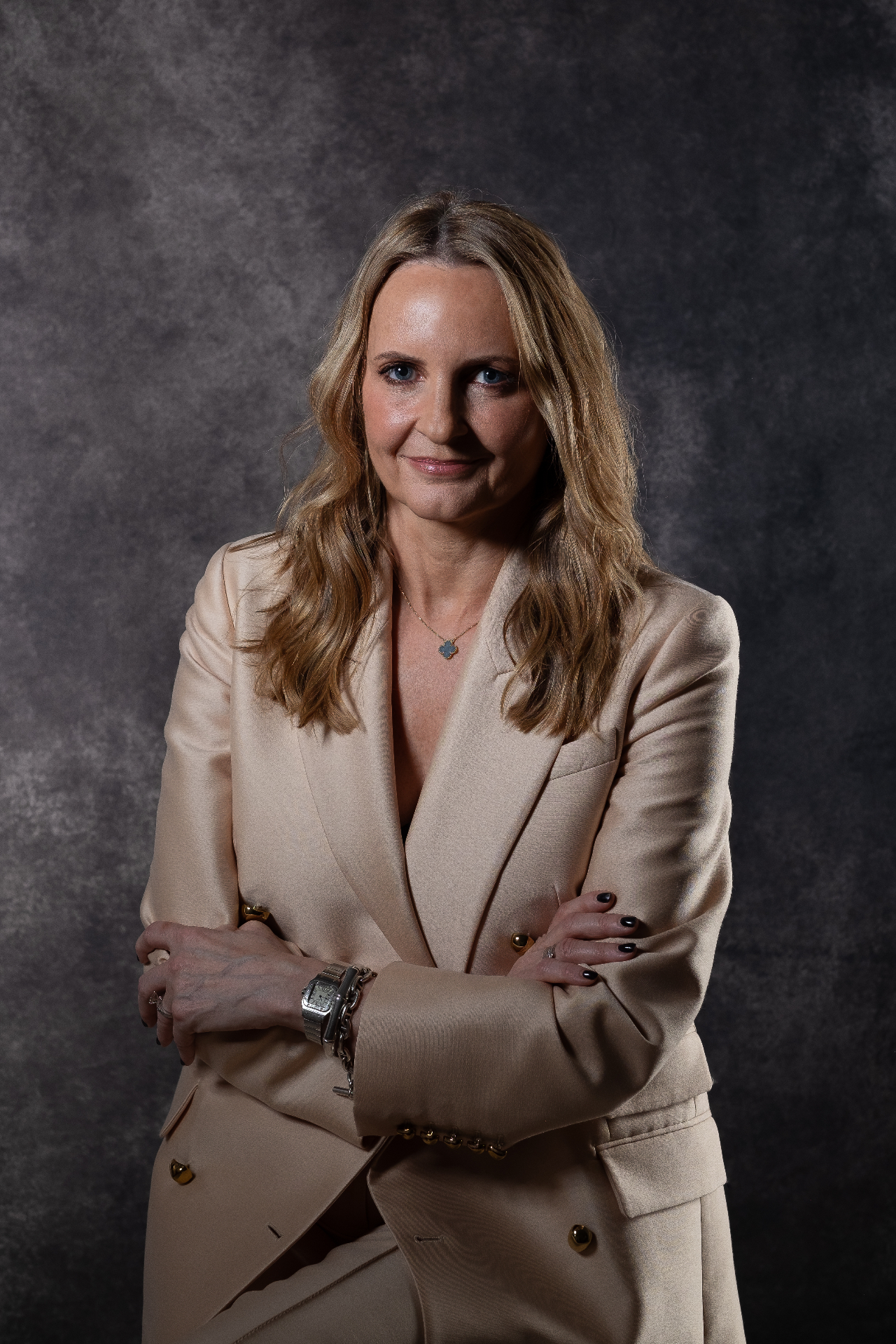
CEO, Author and Principal Consultant
Felicity Menzies
Every Culture Plus engagement is delivered with behavioural rigour and practical relevance by Felicity Menzies, organisational psychology specialist, author, and expert facilitator.
- Role
- Founder, Culture Plus Consulting
- Qualification
- Bachelor of Arts (Psychology), University Medallist; Fellow, Chartered Accountants Australia and New Zealand; Bachelor of Commerce; Advanced Accreditation, Cultural Intelligence; Oxford Saïd AI Governance, Compliance & Ethics; Certified AI Ethicist
- Experience
- 15+ years advising leading global and Australian private and government organisations; former senior executive in financial services and consulting
- Discipline
- Psychology, behavioural science & trauma-informed practice
- Published
- A World of Difference (2016); contributor to leading business and HR publications globally
- Recognition
- LinkedIn Top Voice; commendation in NSW Parliament
Credentials
CQ Centre-accredited expertise
Verified accreditation to deliver Cultural Intelligence (CQ) assessments and training from the global standard-setter.

From the book
Culture is the sum of behaviours leaders permit, model, and reward.A World of Difference: Felicity Menzies →
Free guide
Need psychological safety training that drives real behaviour change?
This guide outlines the conditions that make psychological safety training effective, helping organisations move beyond awareness to lasting behavioural capability.
Download the Guide →Frequently asked questions
Questions about psychological safety training, answered.
If you have a question we haven't covered, write to us. A real human responds within one working day.
Psychological safety training equips leaders and teams with practical skills to create a workplace environment where individuals feel safe to speak up, share ideas, admit mistakes, and challenge decisions without fear of embarrassment or punishment. This training fosters trust, open communication, and continuous learning.
Psychological safety training is beneficial for leaders, managers, and intact teams committed to building a psychologically safe workplace that supports collaboration, innovation, and wellbeing.
By encouraging open dialogue and reducing fear of interpersonal risk, psychological safety training helps teams identify risks early, learn from mistakes, share diverse ideas, and collaborate more effectively, leading to higher engagement, innovation, and resilience.
Participants gain practical tools and behaviours to foster speaking up and constructive challenge. Organisations typically see improved communication, stronger trust, reduced psychosocial risk, enhanced organisational culture, and better overall team performance.
Still have questions?
Talk to FelicityWhile you're here
Related services
Psychosocial Hazards & Safety Training for Leaders
Equip leaders to manage psychosocial hazards under WHS Regulations, ISO 45003 and Positive Duty.
Psychosocial Hazards & Safety Training for Leaders →Psychosocial Hazards Consulting & Risk Assessment
Identify, assess and control psychosocial hazards at work aligned with WHS regulator expectations.
Psychosocial Hazards Consulting & Risk Assessment →Inclusive Leadership
Evidence-based leader programs that build the day-to-day behaviours strategy depends on.
Inclusive Leadership →
Build psychological safety capability that lasts
From talking about psychological safety to actually experiencing it.
Equip leaders and teams with the skills to speak up, challenge ideas constructively, and collaborate without fear, strengthening both performance and wellbeing.
Request a Strategic Consultation