Culture+

Respectful & Safe Workplaces

Psychosocial hazards & safety training and trauma informed leadership.

Psychosocial hazards training and trauma-informed leadership development for Australian managers and people leaders. The programme is aligned with the model Work Health and Safety Regulations, Safe Work Australia's Model Code of Practice: Managing psychosocial hazards at work, state WHS regulator guidance (SafeWork NSW, WorkSafe Victoria, Workplace Health and Safety Queensland, WorkSafe WA, Comcare), ISO 45003 and the AHRC's Positive Duty — equipping leaders to identify, prevent and respond to psychosocial hazards in the workplace.

Book a strategic consultation
C+

Culture Plus method

Behaviour-first. Evidence-based. Built to last.

Moving beyond policy to build leaders who prevent psychosocial harm

Most leaders have never been taught how to recognise when a management interaction causes psychological harm.

People leaders shape the psychological conditions of work. The way they communicate expectations, respond to distress, manage performance, and handle conflict determines whether employees feel safe, supported, and able to function effectively — or whether those interactions become sources of harm.

The model Work Health and Safety Regulations require employers to identify, assess, and control psychosocial hazards — identifying poor manager support as one of seventeen regulated psychosocial hazards. In practice, manager behaviour is now a regulated risk control. Neither WHS obligations nor Positive Duty are satisfied by a wellbeing policy and an EAP contract.

Where leadership training exists, it often focuses on stress management or resilience rather than on the leadership behaviours that create or compound psychosocial risk. Here are some honest reflections from organisations facing this challenge:

"Our leaders want to do the right thing — but they don't know what to say when someone is clearly struggling."
"We're concerned that there is a capability gap in how we manage performance, with our leaders sometimes lacking insight into how their practices might be causing or amplifying harm."
"We need real leadership development, not compliance training that stops at awareness and doesn't build capability."
Book a Strategic Consultation

Programme snapshot

What you need to know at a glance.

People leaders, managers, supervisors, and team leaders responsible for managing teams, workplace behaviour, and psychosocial risk.

Contact us today to scope a tailored programme

Reform-grade Respect at Work, delivered at the heart of government.

Trusted at the highest level.

NSW Parliament

Culture Plus Consulting was engaged by NSW Parliament to design and deliver Respect at Work and Trauma Informed Response training across its workforce — a flagship reform initiative responding to the Broderick Review of bullying, sexual harassment and sexual misconduct in NSW parliamentary workplaces. This engagement represents a proud achievement in delivering reform-grade Respect at Work training in high-scrutiny environments.

Parliament of New South Wales

NSW Premier's Department

In an ongoing engagement, Culture Plus Consulting delivers Respect at Work training to the Premier, Ministers and Ministerial staff — a key recommendation of the Goward Review aimed at building respectful, safe and accountable workplaces at the heart of government.

Premier's Department NSW

What this training covers

What this Psychosocial Hazards & Safety Training and Trauma-Informed Leadership programme covers.

Leaders often support their team's wellbeing in principle — but need clear guidance on what to do when psychological risk is present. This training focuses on practical behaviours leaders can start using right away. Participants gain hands-on skills and practise them in realistic leadership scenarios, including difficult feedback conversations, performance management under pressure, and responding safely to distress.

What changes after this training

Real shifts that matter.

Compliance & Risk

Organisations strengthen their ability to demonstrate proactive prevention, trauma-informed response, and leadership capability aligned with psychosocial safety obligations and Positive Duty requirements. Leaders identify and address psychosocial risks sooner — reducing escalation into formal complaints, psychological injury claims, absenteeism, turnover, and regulatory scrutiny. SafeWork NSW issued over 500 psychosocial-related notices across 2024 and 2025 — targeting not the absence of policy, but the absence of genuine operational capability.

Scope a programme for your leadership team

Trusted partners

Psychosocial hazards & safety training and trauma-informed leadership clients.

"
I thank Felicity Menzies for the initial training sessions and commend her on the job that she has done.
Dominic Perrottet
New South Wales Premier
NSW ParliamentNSW Parliament
1 / 5

Our methodology

The Practical Capability Model

Every Culture Plus programme is built on the same evidence-based methodology. Hover any step for detail:

MapBuildWireTransferTest

Your facilitator

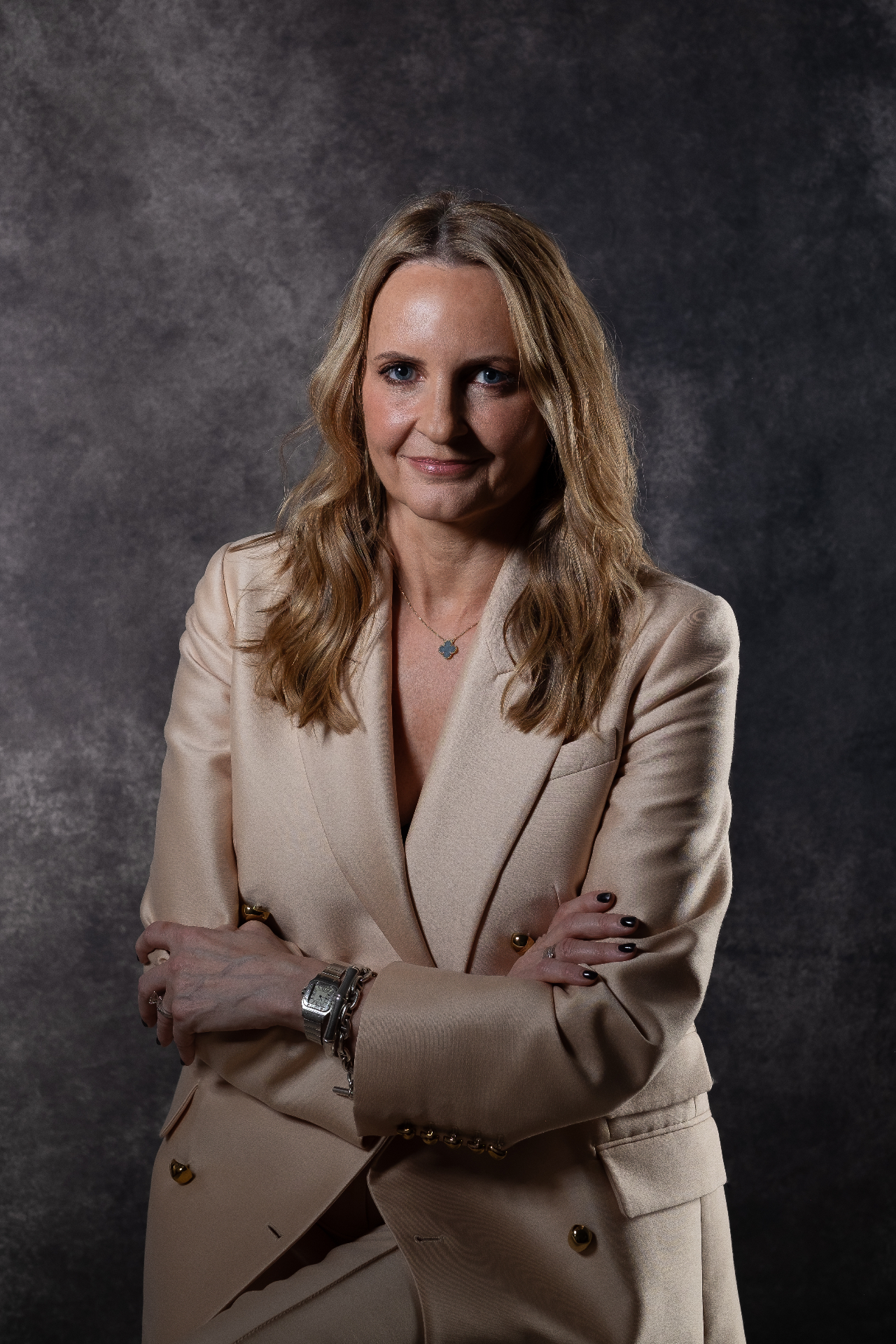
Felicity Menzies, Founder of Culture Plus Consulting

CEO, Author and Principal Consultant

Felicity Menzies

Every Culture Plus engagement is delivered with behavioural rigour and practical relevance by Felicity Menzies — organisational psychologist, author, and specialist facilitator.

Role
Founder, Culture Plus Consulting
Qualification
Bachelor of Arts (Psychology) — University Medallist; Fellow, Chartered Accountants Australia and New Zealand; Bachelor of Commerce; Advanced Accreditation, Cultural Intelligence; Oxford Saïd AI Governance, Compliance & Ethics; Certified AI Ethicist
Experience
15+ years advising leading global and Australian private and government organisations; former senior executive in financial services and consulting
Discipline
Organisational psychology, behavioural science & trauma-informed practice
Published
A World of Difference (2016); contributor to leading business and HR publications globally
Recognition
LinkedIn Top Voice; commendation in NSW Parliament

Endorsed capability partner

Trusted by Australia's peak HR body.

Australian HR Institute (AHRI)

Culture Plus Consulting is proud to design and deliver flagship DEI programmes for the Australian Human Resources Institute (AHRI) — Australia's peak HR professional body — supporting HR leaders and practitioners to build capability for inclusive leadership and organisational change.

Connect with us to explore how evidence-based DEI training can help your organisation build capability, strengthen culture, and deliver meaningful, measurable change.

From the book

Culture is the sum of behaviours leaders permit, model, and reward.
A World of Difference — Felicity Menzies →

Free guide

Need to deliver psychosocial safety training that drives real behaviour change?

This guide outlines the essential conditions for effective training that builds lasting leadership capability — moving beyond awareness to practical skills that prevent harm and create psychologically safer workplaces.

Download the guide

Frequently asked questions

Questions about Psychosocial Hazards & Safety Training and Trauma-Informed Leadership.

If you have a question we haven't covered, write to us — a real human responds within one working day.

Psychosocial hazards are aspects of work design, management, social factors and the work environment that can cause psychological or physical harm. Safe Work Australia recognises 17 psychosocial hazards including high job demands, low job control, poor support, unclear role expectations, poor organisational change management, inadequate reward and recognition, poor workplace relationships, violence and aggression, bullying, harassment — including sexual harassment — and exposure to traumatic events.

Still have questions?

Talk to Felicity

Build leadership capability that prevents psychosocial harm

This isn't about ticking boxes.

It's about building the leadership capability the current moment demands: leaders who understand how work and management practices can create harm — and who know how to lead in ways that prevent it.

Discuss your leadership team's needs