Culture+

Advisory · Sex Discrimination Act

Supporting organisations to meet the positive duty.

Since 12 December 2022, Australian employers must take proactive, meaningful action to eliminate workplace sexual harassment and related unlawful conduct. The question is no longer whether to act — but whether existing measures are genuinely sufficient.

Scope a readiness assessment
C+

Culture Plus method

Behaviour-first. Evidence-based. Built to last.

Proactive prevention

From reactive complaints to proactive prevention systems.

Since 12 December 2022, Australian employers must take proactive and meaningful action to eliminate workplace sexual harassment and related unlawful conduct. This positive duty obligation requires deliberate, coordinated measures across governance, culture, systems and leadership.

From 12 December 2023, the Australian Human Rights Commission (AHRC) gained formal powers to assess compliance, investigate organisations, issue compliance notices and enforce action where prevention systems fall short.

"The question is no longer whether to act — but whether existing measures meet the positive duty requirements and are genuinely sufficient."
Request a conversation

Programme snapshot

What you need to know at a glance.

Meeting the positive duty is not a one-off compliance exercise. It requires a sustained, systematic approach to preventing unlawful conduct and building respectful workplace cultures.

Boards, executives, HR leaders, risk & compliance teams, WHS professionals, and legal counsel responsible for workplace culture and safety.

Common compliance gaps

  • Harassment risks not formally integrated into WHS psychosocial risk management.
  • Leadership teams lacking visibility of culture risks and incident trends.
  • Reporting systems employees distrust or can't easily access.
  • Prevention reliant on policy without addressing structural drivers.
  • Insufficient data monitoring to demonstrate continuous improvement.
  • Managers without the capability to respond in a trauma-informed way.

Reasonable & Proportionate Factors

What regulators consider when assessing compliance:

  • Organisation size, nature and complexity
  • Workplace environment and specific risk factors
  • Available resources
  • Evidence of planning, implementation, and review
  • Leadership engagement and accountability
  • Evidence of continuous improvement

Endorsed capability partner

Trusted by Australia's peak HR body.

Australian HR Institute (AHRI)

Culture Plus Consulting is proud to design and deliver flagship DEI programmes for the Australian Human Resources Institute (AHRI) — Australia's peak HR professional body — supporting HR leaders and practitioners to build capability for inclusive leadership and organisational change.

Connect with us to explore how evidence-based DEI training can help your organisation build capability, strengthen culture, and deliver meaningful, measurable change.

The Seven Standards

The AHRC's framework for effective prevention.

The Australian Human Rights Commission has defined seven standards that organisations must meet to satisfy their positive duty. Our advisory services are designed to help you align with each of these standards.

Consultation

Workers at all levels are actively consulted to identify risks and co-design prevention initiatives.

Intersectional

Recognising that harassment affects workers differently based on gender, race, disability, and seniority.

Gender equality

Addressing structural drivers such as power imbalances and cultures that normalise disrespect.

Trauma-informed

Systems that prioritise safety, confidentiality and the dignity of those who come forward.

Advisory Services

How we help you meet the positive duty.

Assessments

Positive duty readiness assessments and psychosocial risk assessments. We conduct evidence-based reviews of policies, governance, and culture against AHRC standards, providing a tailored remediation roadmap.

Discuss your advisory needs

Our methodology

The Practical Capability Model

Every Culture Plus engagement is built on the same evidence-based methodology. Hover any step for detail:

MapBuildWireTransferTest

Your facilitator

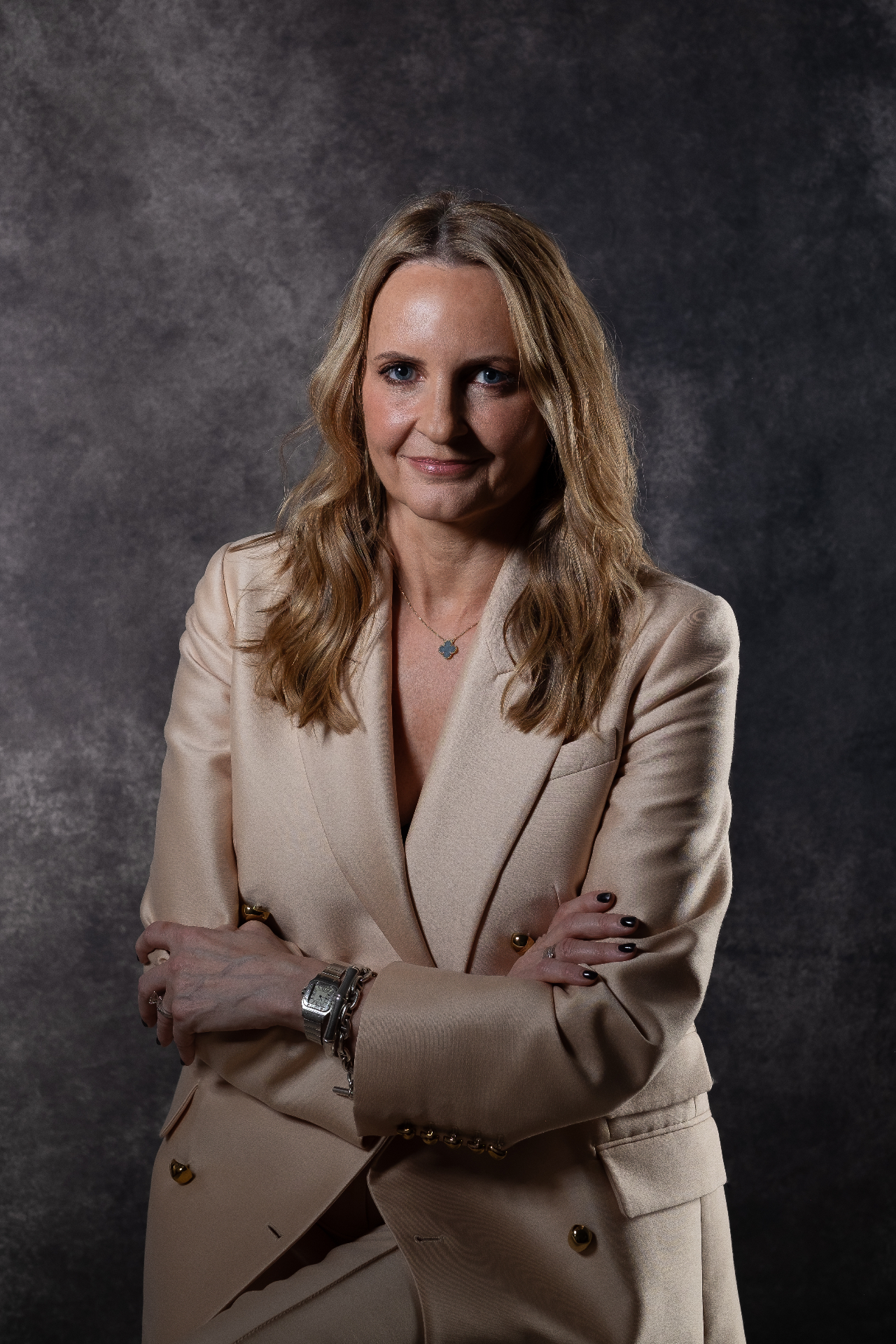
Felicity Menzies, Founder of Culture Plus Consulting

CEO, Author and Principal Consultant

Felicity Menzies

Every Culture Plus engagement is delivered with behavioural rigour and practical relevance by Felicity Menzies — organisational psychologist, author, and specialist facilitator.

Role
Founder, Culture Plus Consulting
Qualification
Bachelor of Commerce; Bachelor of Arts (Psych) — University Medallist; Fellow, Chartered Accountants Australia and New Zealand
Experience
15+ years advising leading global and Australian private and government organisations; former senior executive in financial services and consulting
Discipline
Organisational psychology, behavioural science & trauma-informed practice
Published
A World of Difference (2016); contributor to leading business and HR publications globally
Recognition
LinkedIn Top Voice; commendation in NSW Parliament

From the book

Culture is the sum of behaviours leaders permit, model, and reward.
A World of Difference — Felicity Menzies →

Key questions for leaders

Is your organisation ready for the AHRC's new enforcement powers?

  • Q1 Have you formally assessed sexual harassment risks, including third parties?
  • Q2 Are those risks integrated into your WHS psychosocial framework?
  • Q3 Does your leadership receive regular reporting on culture risks?
  • Q4 Can you demonstrate that prevention initiatives are monitored and improved?
Request a readiness assessment

Trusted partners

Respect at work clients.

"
I thank Felicity Menzies for the initial training sessions and commend her on the job that she has done.
Dominic Perrottet
New South Wales Premier
NSW Parliament
1 / 5

Frequently asked questions

Questions about the positive duty, answered.

For HR leaders, executives, and boards, understanding the nuances of the positive duty is critical for compliance and culture. If you have a specific question, please reach out.

Regulators consider your organisation's size, nature, complexity, and available resources. They look for evidence that prevention measures have been planned, implemented, monitored, and regularly reviewed — with strong leadership engagement and accountability.

Strengthen compliance — build respectful workplaces

Meeting the positive duty requires proactive commitment.

We help organisations build legally robust and genuinely effective prevention systems — workplaces where every person is treated with dignity and respect, and compliance with the positive duty is demonstrable.

Scope a strategic consultation