Culture+
A quiet workshop space with chairs arranged for discussion

Trauma-informed · Person-centred · Practical

Trauma-Informed Responding

Practical skills for responding safely when someone discloses harm. For organisations across sectors, customised to your people, your context and your support and reporting pathways.

Book a confidential call

Why the first response matters

A response that reduces harm, rather than adding to it.

Being doubted, blamed, pressed for unnecessary detail or asked to repeat an account can compound the original harm. A calm, compassionate response protects dignity and choice while connecting the person with appropriate support.

The workshop applies to disclosures of gender-based violence, sexual harassment, bullying and other harms. Participants learn to support without investigating, counselling or promising outcomes, and to balance the person’s preferences with immediate safety and their organisation’s responsibilities.

Program snapshot

Applied practice for the people receiving disclosures.

Length & format
Three-hour applied workshop, including two short breaks. Virtual or face to face.
Audience
People leaders, HR teams, support staff and anyone likely to receive disclosures from colleagues, clients, students or community members.
Customisation
Role-specific scenarios, your policies and procedures, internal and external support, reporting channels and escalation pathways.

Reform-grade Respect at Work, delivered at the heart of government.

Trusted at the highest level.

NSW Parliament

Culture Plus Consulting was engaged by NSW Parliament to design and deliver Respect at Work and Trauma Informed Response training across its workforce, a flagship reform initiative responding to the Broderick Review of bullying, sexual harassment and sexual misconduct in NSW parliamentary workplaces. This engagement represents a proud achievement in delivering reform-grade Respect at Work training in high-scrutiny environments.


Parliament of New South Wales

NSW Premier's Department

In an ongoing engagement, Culture Plus Consulting delivers Respect at Work training to the Premier, Ministers and Ministerial staff, a key recommendation of the Goward Review aimed at building respectful, safe and accountable workplaces at the heart of government.

Premier's Department NSW

Interactive curriculum

Six modules, from understanding to practice.

Recognise gender-based violence, sexual harassment, bullying and other harms. Understand the difference between a disclosure and a formal report, and the boundaries of your role: supporting, not investigating or counselling.

Practice: Test common assumptions about disclosure and reporting.

Explore how trauma can affect behaviour, memory, health and wellbeing. Recognise delayed, partial or fragmented disclosures and avoid assumptions about credibility based on how a person presents.

Practice: Review a fictional disclosure through a trauma lens and identify responses that could compound harm.

Practise a structured response: listen, acknowledge, support and refer. Apply safety, trust, choice, collaboration, empowerment and respect for diversity, in person and in writing. Explain confidentiality and its limits without promising outcomes.

Practice: Practise a conversation and draft a written response, with peer and facilitator feedback.

Recognise how identity, power and circumstances shape risk and barriers to disclosure. Adapt responses for First Nations people, culturally diverse communities, people with disability and LGBTIQA+ communities, including where identities intersect.

Practice: Adapt a response to make it culturally safe, gender-safe and accessible.

Connect people to internal and external support, explain reporting options, seek consent and recognise when immediate safety requires escalation. Apply your organisation’s referral and record-keeping procedures while minimising repeated accounts.

Practice: Trace fictional scenarios from first response to referral through your own pathways.

Recognise vicarious trauma and compassion fatigue. Maintain role boundaries, debrief without compromising confidentiality, and identify organisational support as well as personal wellbeing practices.

Practice: Identify a debrief contact and make a practical wellbeing plan.

Safe by design

Trauma-informed learning, not just trauma-informed content.

Participant safety

Realistic, non-graphic fictional scenarios are reviewed so they do not resemble actual cases. A pre-session note explains the content and support options. Participants are never asked to share personal experiences, can step away, and have breaks built in. Any disclosure is acknowledged with care and followed up privately through agreed support channels.

Tools and follow-through

An optional organisation-specific Disclosure Response Guide can include response prompts, written templates, inclusive response guidance, pathway maps, support contacts and debrief guidance. Evaluation support can include knowledge checks, confidence ratings, participant feedback and facilitator observations.

What changes after this training

Practical capability that carries into everyday situations.

Capability

Participants practise listening, acknowledging, supporting and referring, without taking on the role of investigator or counsellor.

Trust

People receiving disclosures learn to protect dignity, explain confidentiality and its limits, and preserve choice wherever possible. Clear boundaries and accessible pathways support safer conversations.

Transfer

Organisation-specific scenarios and pathway practice connect learning to real responsibilities. Knowledge checks, participant feedback and facilitator observations can help identify where further support is needed.

How we are different

Beyond awareness. A response people can practise.

Knowing the policy is not the same as knowing what to say when someone discloses harm. We build practical capability through careful facilitation, behavioural science and relevant fictional scenarios, with your organisation’s responsibilities and support pathways built in.

From awareness to capability

Market standard

Explain definitions, policies and reporting procedures, then record attendance.

Our approach

Practise conversations and written responses, recognise role boundaries and connect the person with appropriate support.

Bespoke, not off the shelf

Market standard

Use the same content and examples for every audience.

Our approach

Tailor learning to your sector, participant roles, support options and reporting pathways, with distinct staff and student contexts where relevant.

Safe facilitation

Market standard

Discuss sensitive topics without sufficient attention to how participants may experience the learning.

Our approach

Use non-graphic fictional scenarios, clear participation choices and agreed support channels. No one is asked to share personal experiences.

Trusted partners

What our Respect at Work clients say.

"
On behalf of our team, I would like to extend our thanks for the outstanding work you have done in partnership with us since November 2023. Over this period, over 100 RISE training sessions have been delivered in collaboration with you, and the feedback from participants has been consistently excellent. Your commitment, professionalism, and ability to engage meaningfully with staff have made a lasting impact. We are especially grateful for the role you have played in helping drive cultural change within NSW Parliament — enacting the Broderick Review Recommendations.
Mary Coxon
Acting Manager, People Experience & Capability
NSW ParliamentNSW Parliament
1 / 3

Our methodology

The Practical Capability Model.

Understand your context, participant roles, risks and existing support and reporting pathways before designing the learning.

Develop understanding and practical response skills through evidence-based content, demonstrations and carefully facilitated fictional scenarios.

Connect new capability to your policies, role boundaries, referral options and escalation procedures.

Support application beyond the session with agreed prompts, pathway maps and organisation-specific resources.

Scope evaluation around learning outcomes, participant feedback and observed practice, then use the findings to refine and reinforce capability.

Your facilitator

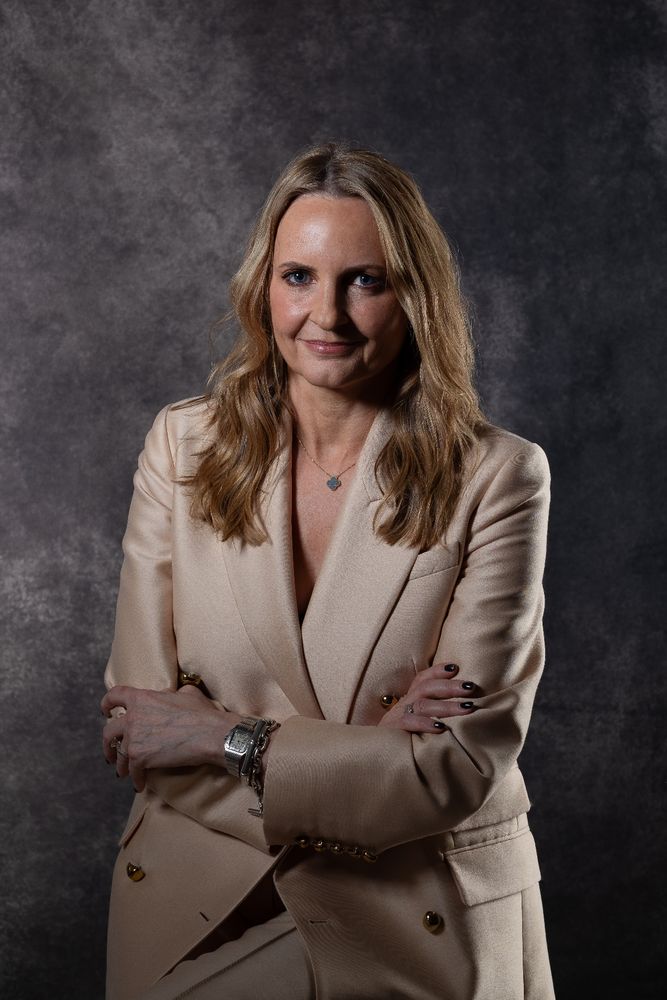
Felicity Menzies, Founder of Culture Plus Consulting

CEO, Author and Principal Consultant

Felicity Menzies

Every Culture Plus engagement is delivered with behavioural rigour and practical relevance by Felicity Menzies, organisational psychology specialist, author, and expert consultant.

Role
Founder, Culture Plus Consulting
Qualification
Bachelor of Arts (Psychology), University Medallist; Fellow, Chartered Accountants Australia and New Zealand; Bachelor of Commerce; Advanced Accreditation, Cultural Intelligence; Oxford Saïd AI Governance, Compliance & Ethics; Certified AI Ethicist
Experience
15+ years advising leading global and Australian private and government organisations; former senior executive in financial services and consulting
Discipline
Psychology, behavioural science & trauma-informed practice
Published
A World of Difference (2016); contributor to leading business and HR publications globally
Recognition
LinkedIn Top Voice; commendation in NSW Parliament

Endorsed capability partner

Trusted by Australia's peak HR body.

Australian HR Institute (AHRI)

Culture Plus Consulting is proud to design and deliver flagship DEI programs for the Australian Human Resources Institute (AHRI) (Australia's peak HR professional body), supporting HR leaders and practitioners to build capability for inclusive leadership and organisational change.

Connect with us to explore how evidence-based DEI training can help your organisation build capability, strengthen culture, and deliver meaningful, measurable change.

Free guide

Make learning translate into lasting capability.

Explore the conditions that help training move beyond awareness and into practical skills, everyday behaviour and meaningful evaluation.

Download the guide

Sector customisation

For every organisation, with sector-specific pathways.

For higher education providers, customise the workshop around student and staff disclosures, academic and workplace support, and relevant National Code training requirements. For other organisations, use the same first-response principles with client, workforce and community contexts, appropriate duties and referral options.

Frequently asked questions

Your questions, answered.

Yes. For higher education providers, disclosure-response learning can be mapped to relevant National Code requirements, with student and staff pathways, participant safeguards and evaluation support scoped to the provider’s needs. Training is one part of a wider prevention and response system.

No. Trauma-Informed Responding is for organisations across sectors. The core skills apply when a colleague, client, student or community member discloses harm. Content, scenarios and referral pathways are customised to your organisation.

No. The focus is a safe first response, support, referral and appropriate escalation. It does not replace specialist investigator training, counselling or your organisation’s formal reporting procedures.

The standalone workshop is three hours, including two short breaks, delivered virtually or face to face. Scenarios, participant roles and your organisation’s support and reporting procedures are agreed before delivery.

Start a conversation

Help your people respond with care and confidence.

Book a confidential call