Culture+

Advice & Strategy · Employee Listening

Employee focus groups and listening circles to diagnose culture and psychosocial risk.

Independent, trauma-informed employee listening for Australian organisations — focus groups, listening circles and confidential interviews on respect, safety and inclusion, producing robust insights to inform governance, strengthen culture and guide targeted risk controls.

“This morning we got sign-off from the Secretary to publish the report that we built out of your amazing focus group work. It’s ended up as a really strong and impactful piece of work which I am immensely proud of, and will put us in a very strong position to drive change.”
Jess Moore — Manager, Equity & Inclusion, Education NSW

Why employee listening is critical

Understanding culture and psychosocial risk starts with listening to employee experience.

Boards and executives need a clear understanding of how culture, safety and respect are experienced across the organisation. Low engagement scores can signal a concern without establishing its nature or underlying causes. A low score on psychological safety or leadership may reflect workload, bullying, role conflict, leadership practices or barriers to reporting. Employee listening adds the context and depth needed to interpret survey results, understand systemic drivers and identify appropriate action.

Incident and complaint data alone can provide an incomplete picture of risk. Employees may not report concerns because they fear retaliation or career consequences, doubt that action will follow, or lack confidence in the confidentiality and fairness of the process. Power imbalances and close working relationships can compound these barriers. Low reporting volumes should therefore not be interpreted as evidence of low risk, or of an isolated issue.

Well-designed employee listening brings these experiences into the evidence base. It explores how leadership, work design, power dynamics and reporting systems influence everyday experience. Systematic thematic analysis, triangulated with workforce data, policies and reporting records, gives leaders a more nuanced diagnosis and a sound basis for prioritising change.

Independence is critical to this work. Employees are far less likely to disclose harm, name a leader, or describe a systemic pattern to someone inside their own reporting line or HR function. An external facilitator brings the objectivity, expertise and safeguards needed to surface what internal processes often miss.

Worker consultation is central to WHS psychosocial risk management, while employee voice informs prevention under the Positive Duty in the Sex Discrimination Act. When it is not undertaken with care, listening can itself cause harm — re-activating trauma, increasing exposure to retaliation or eroding trust. Our trauma-informed approach combines participant safeguards with the analytical rigour leaders need to make informed culture and risk decisions.

Risks to effective employee listening

Internal facilitation

Reporting relationships and perceived conflicts of interest can limit candour and leave significant experiences unexamined.

Abrupt inquiry

Introducing sensitive topics without preparation, choice and appropriate support can increase distress and inhibit participation.

No disclosure alternatives

Some employees may not feel able to contribute in a group. Confidential alternatives help ensure their perspectives are considered.

No follow-through

A lack of visible response can undermine trust, reduce future participation and weaken confidence in leadership.

Definitions

Focus groups, listening circles and employee listening — what each one is for.

Employee listening encompasses several complementary methods. Focus groups, listening circles and individual interviews offer different ways to explore experience. We select and combine them according to the purpose of the engagement, the workforce context and participant needs.

Employee focus group
A structured, question-led group conversation designed to diagnose culture or risk. The facilitator asks the same core questions across groups so themes can be compared across teams, sites or identity groups.
Use it when: you need structured qualitative evidence to inform culture, governance and risk decisions.
Listening circle
A facilitated conversation that gives participants space to share experiences and listen without interruption or debate. Its emphasis is on understanding; themes can also inform a broader diagnostic process.
Use it when: the priority is to understand shared experiences and create space for perspectives that may otherwise remain unheard.
Employee listening
The overarching practice of gathering, interpreting and responding to employee perspectives through surveys, focus groups, listening circles, interviews and confidential written channels.
Use it when: complementary methods are needed to understand different experiences and provide accessible, appropriate ways to contribute.
One-to-one interview
A confidential conversation for people who will not, or should not, speak in a group: those in highly identifiable roles, those who have experienced harm, and leaders whose presence would change what others say.
Use it when: safety, anonymity or power dynamics make a group setting inappropriate.

Reform-grade Respect at Work, delivered at the heart of government.

Trusted at the highest level.

NSW Parliament

Culture Plus Consulting was engaged by NSW Parliament to design and deliver Respect at Work and Trauma Informed Response training across its workforce — a flagship reform initiative responding to the Broderick Review of bullying, sexual harassment and sexual misconduct in NSW parliamentary workplaces. This engagement represents a proud achievement in delivering reform-grade Respect at Work training in high-scrutiny environments.


Parliament of New South Wales

NSW Premier's Department

In an ongoing engagement, Culture Plus Consulting delivers Respect at Work training to the Premier, Ministers and Ministerial staff — a key recommendation of the Goward Review aimed at building respectful, safe and accountable workplaces at the heart of government.

Premier's Department NSW

The service

Ethical independent employee listening.

We manage the engagement from scoping and consultation design through to facilitation, thematic analysis, reporting and employee communications. Clear responsibilities and agreed safeguards support your internal team while preserving the independence of the listening process.

An independently designed and facilitated employee listening program — focus groups, one-to-one interviews and confidential written channels — exploring respect, safety, inclusion and psychosocial risk, and converting what we hear into a defensible evidence base and a prioritised plan.

Discuss your consultation priorities

Our method

Our approach to trauma-informed employee listening.

Five stages, each designed to protect participants and to strengthen the integrity of what you learn.

Featured evidence

A profession-wide listening programme, published.

The Royal Australian Institute of Architects engaged Culture Plus to move the profession beyond anecdote to a credible, evidence-based understanding of systemic inclusion barriers. We designed a national diversity and inclusion survey and ran trauma-informed virtual focus groups across member cohorts — women, culturally and linguistically diverse members, carers, First Nations members, LGBTIQA+ members and people with disability.

The findings were published in the Institute's Diversity and Inclusion Survey Report — a transparent, profession-wide evidence base that now underpins its reform agenda. It is what rigorous employee listening looks like when the client is prepared to act on the results.

What the programme involved

  1. 01Co-designed national diversity and inclusion survey, tailored to the profession
  2. 02National virtual focus groups run on trauma-informed principles
  3. 03Voluntary participation, informed consent and anonymous contribution pathways
  4. 04Cohort-specific findings across six priority groups
  5. 05Industry-wide recommendations across governance, accountability and measurement
  6. 06Published report giving the profession a platform for transparent reform

From listening to action

Analyse, report and act on what employees shared.

Session records are systematically coded to identify themes, underlying drivers and differences in experience. We triangulate findings across groups, interviews, workforce data, policies and reporting records, distinguishing recurring patterns from emerging concerns and divergent perspectives.

The report makes the evidence base and its limitations explicit; a serious concern is not discounted simply because it is raised once. Findings inform psychosocial risk assessment and Positive Duty prevention, with prioritised recommendations, proposed owners and dependencies.

Board or executive briefings and employee communications support accountable follow-through, so the listening process closes the loop rather than adding to employee cynicism.

What rigorous analysis looks like

Inductive coding

Themes are coded across every session and channel, not cherry-picked.

Triangulation

Findings are checked across groups, interviews, workforce data, policies and reporting records, distinguishing recurring patterns from emerging concerns and divergent perspectives.

Segmentation

Differences by identity, level, site and role are reported, not averaged away — with care taken not to identify individuals or small cohorts.

Transparency

Limitations and divergent views are stated explicitly.

Risk alignment

Concerns are rated against WHS psychosocial hazard categories, AHRC Positive Duty standards and other cultural risks.

Actionable outputs

Recommendations are prioritised with owners, dependencies and sequencing.

Confidentiality by design

No participant can be identified in the report. We do not quote by name, role or team, and cohorts are sized so no single voice is attributable.

Any detail that could identify an individual or small group is removed or aggregated before findings are written. Where direct quotes are used, they are de-identified and checked against cohort size and context to ensure they cannot be traced back.

Raw notes and recordings are stored securely and destroyed once analysis is complete. Only the de-identified thematic findings remain.

Trauma-informed safeguards

The safeguards we build into every session.

Trauma may be directly experienced or witnessed, and workplace listening can re-activate harm that occurred inside or outside work. Participant choice, cultural safety and appropriate support are integral to both ethical consultation and the quality of the evidence.

Voluntary participation

People opt in, and can leave at any point without explanation or consequence.

Trigger warnings

Advance notice before sensitive material, so participants can prepare or step out.

Alternative disclosure channels

One-to-one interviews and confidential written submissions for anyone who will not, or should not, speak in a group.

No probing of personal trauma

We explore systems and patterns, not individual incidents. Personal disclosure is never required.

Support named up front

EAP and external support details shared before, during and after every session.

Scaffolded topics

General before specific — respect and what good looks like, before harm.

Check-ins and breaks

Regular participant check-ins, with breaks and pauses responsive to individual and group needs.

Validation, not assessment

Emotion is acknowledged and normalised. Participants are never pathologised in the record.

Cultural safety

Design and facilitation account for historical, intergenerational and cultural trauma, and for intersecting identities.

Facilitator care

Structured debriefing and supervision to support facilitator wellbeing and manage the risk of vicarious trauma.

De-identified reporting

Themes, not incidents. No participant is identifiable in the report; see how this is achieved in the analysis section below.

Post-session follow-up

We check in afterwards, and tell participants what happens next.

“Felicity, you are always excellent and have such a lovely way of running the workshops. You are the clear authority in the room and yet never make anyone feel wrong/uninformed — it’s great to watch the way you manage the content and people.”
Rebel Neary — Head of Strategy and Engagement, Office of the President, NSW Parliament

Designed for difference

Risk is not experienced uniformly. Our design reflects that.

Harassment, discrimination and psychosocial risk are not experienced uniformly. We design group composition and question guides to understand how gender, race, disability, sexuality, age, caring responsibilities and cultural background shape experience.

This means dedicated sessions for groups at elevated risk, questions that surface how different identities intersect, and analysis that reports differences rather than averaging them away.

Gender

Including the interaction of gender with leadership, caring responsibilities and career stage.

Race and cultural background

Including culturally and linguistically diverse employees and First Nations employees.

Disability

Including visible, invisible, physical and psychological disability, and the experience of adjustments.

Sexuality

Including LGBTQIA+ employees and the experience of inclusion or exclusion in team and site culture.

Age and career stage

Including early-career, frontline and senior employees, and intergenerational team dynamics.

Caring responsibilities

Including parents, carers and those juggling work with unpaid care outside work hours.

What you receive

Robust evidence. Clear priorities. Practical action.

01

Listening design and consultation plan

Group architecture, sampling logic, question guides, invitation and consent materials, and the risk controls applied to the process itself — documented so your consultation can be evidenced.

02

Facilitated sessions

Focus groups, one-to-one interviews and confidential written channels, facilitated independently across sites, shifts and work types.

03

De-identified thematic findings report

Systematic thematic analysis setting out recurring patterns, differences in experience and significant concerns. Findings are triangulated with workforce data, policies and reporting records, with the strength and limitations of the evidence clearly explained and identifying details protected.

04

Psychosocial and Positive Duty risk rating

Findings mapped to WHS psychosocial hazards and Positive Duty expectations, ready for your risk register.

05

Prioritised recommendations

Sequenced actions with owners, dependencies and the measures that will show whether they worked.

06

Board or executive briefing

A structured briefing on key findings, implications, risk priorities and recommended decisions.

07

Close-the-loop communications

Clear employee communications on what was heard, the agreed response and how progress will be shared.

What changes

From employee insight to organisational action.

Boards & Executives

Independent insight into whether concerns reflect localised issues or systemic patterns. Evidence-based findings support informed oversight, constructive challenge and clear accountability for the response.

Request a scoping conversation

Listening work in practice

Swipe →

Trusted partners

Employee listening clients

"
Felicity Menzies has been a valued long-term partner to CAANZ, delivering outstanding work across diagnostic, capability building, and strategy. As a complex organisation wearing multiple hats — employer, educator, member-based organisation, and professional standards body — we needed someone who could grasp that complexity. Felicity did exactly that, customising every engagement to reflect our unique context across Australia and New Zealand. Her deep facilitation skills rate highly among our leaders and staff, and her advisory support is trusted and practical. We highly recommend her.
Shona Tarrant
Group Executive, People and Culture
Chartered Accountants Australia & New ZealandChartered Accountants Australia & New Zealand
1 / 3

Our methodology

The Practical Capability Model

Our evidence-based methodology connects diagnostic insight with practical implementation, capability and evaluation.

MapBuildWireTransferTest

Your facilitator

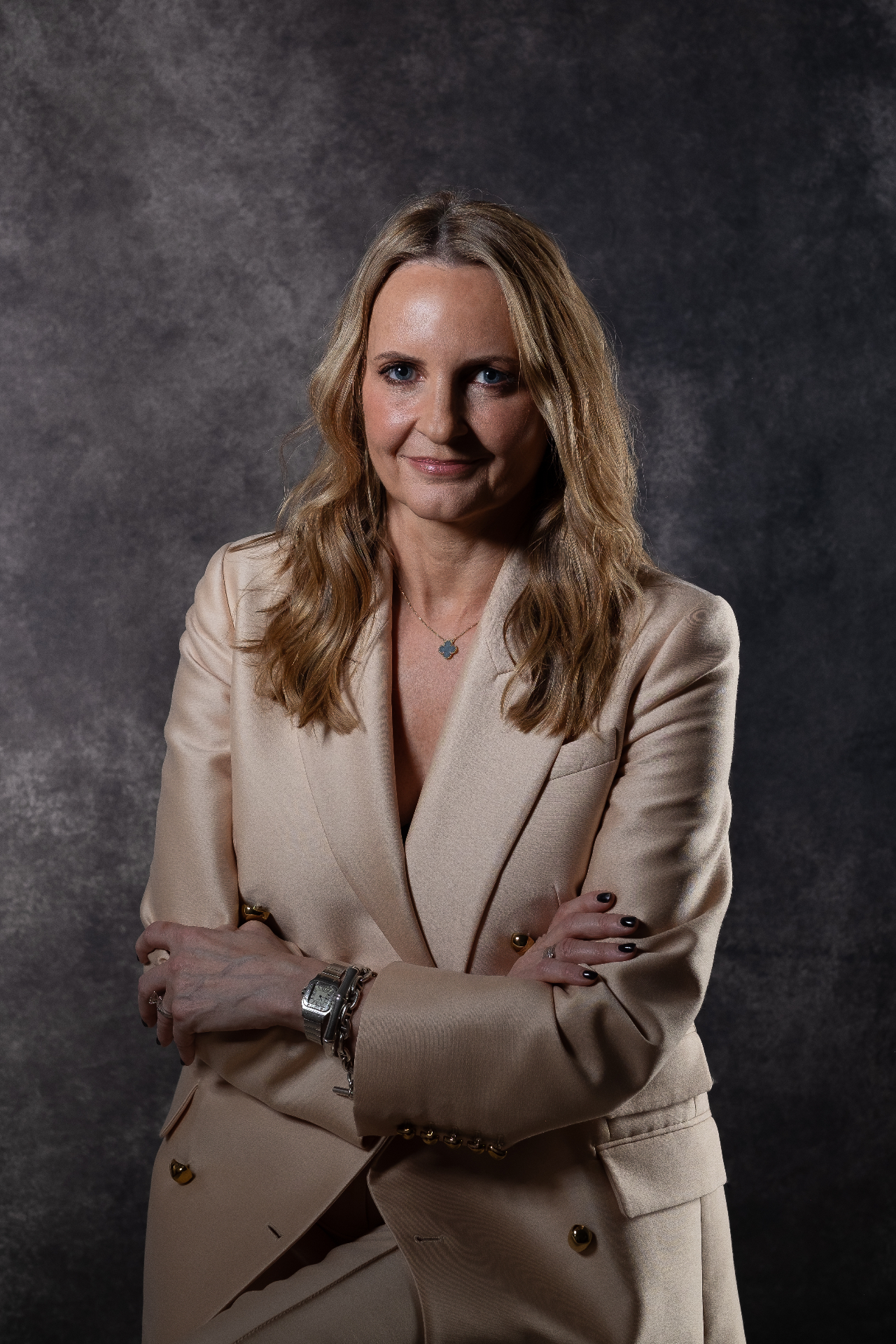
Felicity Menzies, Founder of Culture Plus Consulting

CEO, Author and Principal Consultant

Felicity Menzies

Listening programmes are designed and facilitated by Felicity Menzies, whose expertise in psychology and behavioural science informs an empathetic, considered approach to emotion, group dynamics and sensitive disclosures. Combined with senior executive and cross-sector consulting experience, this enables Felicity to connect lived experience with the organisational systems, leadership practices and governance decisions that shape it. The focus is diagnostic rather than investigative: understanding patterns and informing prevention, with care for the people contributing.

Role
Founder, Culture Plus Consulting
Qualification
Bachelor of Arts (Psychology) — University Medallist; Fellow, Chartered Accountants Australia and New Zealand; Bachelor of Commerce; Advanced Accreditation, Cultural Intelligence; Oxford Saïd AI Governance, Compliance & Ethics; Certified AI Ethicist
Experience
15+ years advising leading global and Australian private and government organisations; former senior executive in financial services and consulting
Discipline
Psychology, behavioural science & trauma-informed practice
Published
A World of Difference (2016); contributor to leading business and HR publications globally
Recognition
LinkedIn Top Voice; commendation in NSW Parliament

Endorsed capability partner

Trusted by Australia's peak HR body.

Australian HR Institute (AHRI)

Culture Plus Consulting is proud to design and deliver flagship DEI programmes for the Australian Human Resources Institute (AHRI) — Australia's peak HR professional body — supporting HR leaders and practitioners to build capability for inclusive leadership and organisational change.

Connect with us to explore how evidence-based DEI training can help your organisation build capability, strengthen culture, and deliver meaningful, measurable change.

Build internal capability

Strengthen your internal facilitation capability.

Many organisations engage us to facilitate the first round independently, then build internal capability so listening continues. Our trauma-informed focus group training equips HR, WHS, DEI and organisational development professionals to design, facilitate and follow up sensitive sessions with appropriate care and safeguards.

Trauma-Informed Focus Group Training

Frequently asked questions

Employee focus groups, answered.

Contact us to discuss your workforce context, consultation priorities and the scope of a suitable engagement.

Employee focus groups are small, structured group conversations — usually six to ten people, 60 to 90 minutes — facilitated to understand how work is actually experienced. They add context to survey findings by exploring the behaviours, systems and working conditions that shape employee experience. On sensitive topics such as sexual harassment, bullying, discrimination or psychosocial risk, they must be designed and facilitated using trauma-informed methods so that participation does not itself cause harm.

Still have questions?

Talk to Felicity

Independent insight. Considered action.

Understand experience. Inform your next decision.

Discuss the culture or risk questions your organisation needs to address. We will help define the appropriate listening methods, participant safeguards and deliverables to support informed decisions.

Request a Strategic Consultation